

Unique Features of Our IB PYP: Early Years Programme
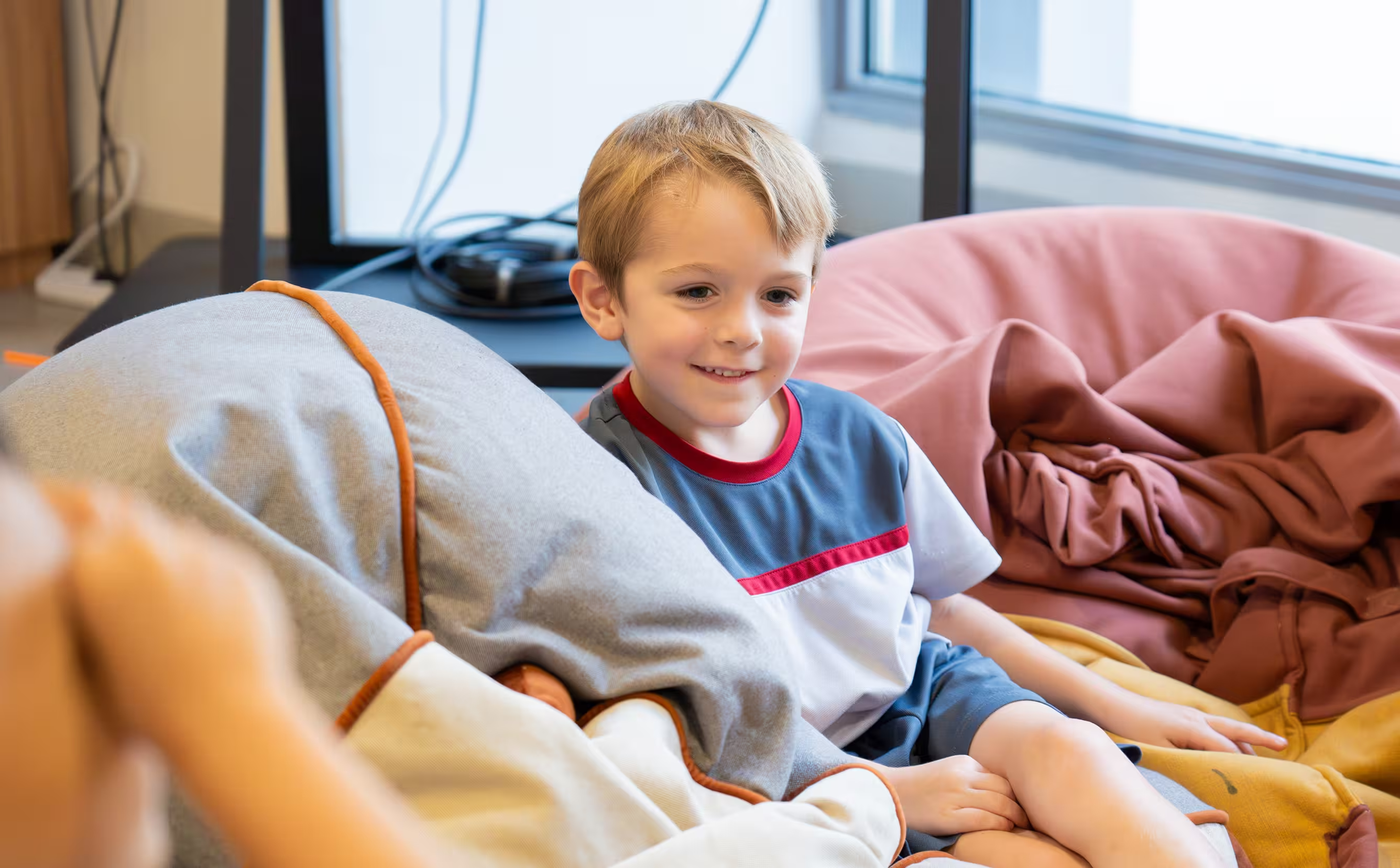
Our KG1 programme nurtures curiosity and builds essential foundations through engaging, play-based learning within the IB PYP framework. Each child is valued as an individual in a safe, supportive environment where they can confidently explore and grow.
Xplorers® Program
Adventure-led outdoor learning that builds resilience, curiosity, and a deep connection with nature.

Violin Programme
A structured early music programme that nurtures discipline, confidence, and a love for the arts.

Cross-Age Learning Experiences
Meaningful interactions with older students that foster leadership, collaboration, and social confidence.
Weekly Swimming Lessons
Confidence-building swim sessions held weekly in our dedicated indoor heated pool.
English-Mandarin Bilingual Programme
Immersive, curriculum-integrated learning in English and Chinese, with two teachers in one classroom.
Bespoke Library Programme
A curated reading journey led by our award-winning librarian, inspiring a lifelong love of books and learning.
Laying the Groundwork for Lifelong Learning
Our KG1 programme bridges early childhood exploration with the growing independence and structure of primary school. At age four, children deepen foundational skills, build confidence, and begin applying their learning with greater purpose, preparing them for a successful transition into formal schooling.
1) Early Literacy Foundations
Children develop reading readiness through vocabulary growth, phonological awareness, and early sound–letter connections, building the essential skills needed for future reading success.
2) Language & Communication Skills
Through rich discussions and storytelling, children strengthen their ability to express ideas, ask questions, and build the comprehension skills needed for understanding text.
3) Executive Function & Learning Habits
Children learn to focus, follow multi-step directions, complete tasks, and persist through challenges, key behaviours for academic success.
4) Social-Emotional Growth & Independence
Collaborative learning helps children build confidence, empathy, self-regulation, and independence, supporting positive engagement in the classroom.
5) Love of Learning & Development Continuity
By nurturing curiosity, confidence, and joy in learning, the programme builds strong learner identities while ensuring a seamless progression into KG2 and beyond.
An Integrated Approach to Early Learning
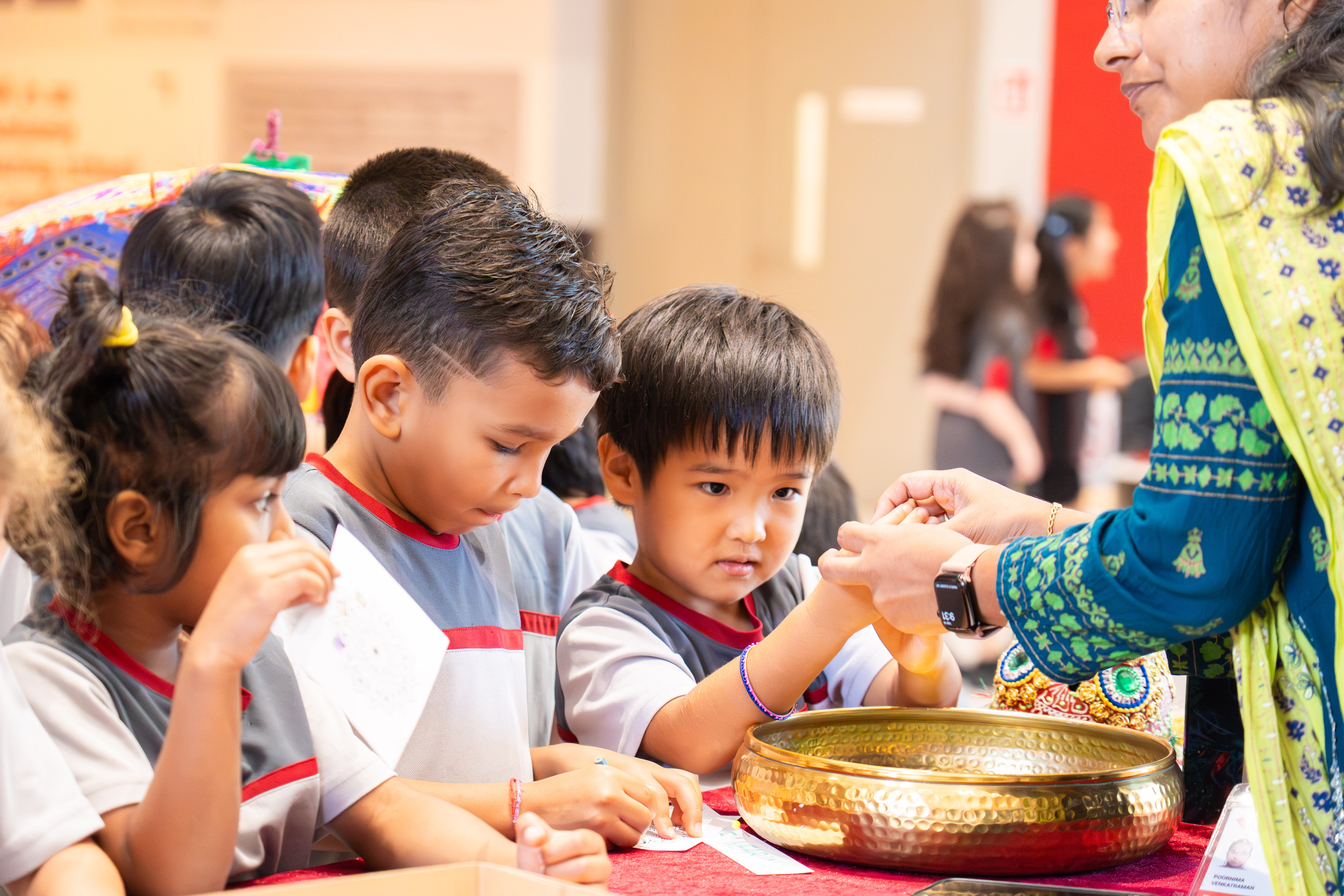
Our KG1 programme blends academic foundations with meaningful, inquiry-driven experiences to support the whole child. Guided by the IB PYP framework, learning is organised through engaging units of inquiry where literacy, numeracy, and real-world understanding are seamlessly connected.
Through play-based and inquiry-led learning, children explore, question, and collaborate—developing curiosity, confidence, and independence. Early literacy and numeracy skills are built naturally through storytelling, conversation, hands-on activities, and real-life problem-solving, while daily exposure to English and Mandarin strengthens communication and cognitive flexibility.
Beyond academics, the programme nurtures social-emotional growth, creativity, and resilience through a balanced mix of structured learning, play, the arts, and physical activity.
By the end of KG1, children are not only developing essential skills, but are becoming confident communicators, curious thinkers, and active learners, well prepared for a smooth transition into KG2 and the IB Primary Years Programme.
Early Bilingual Foundations
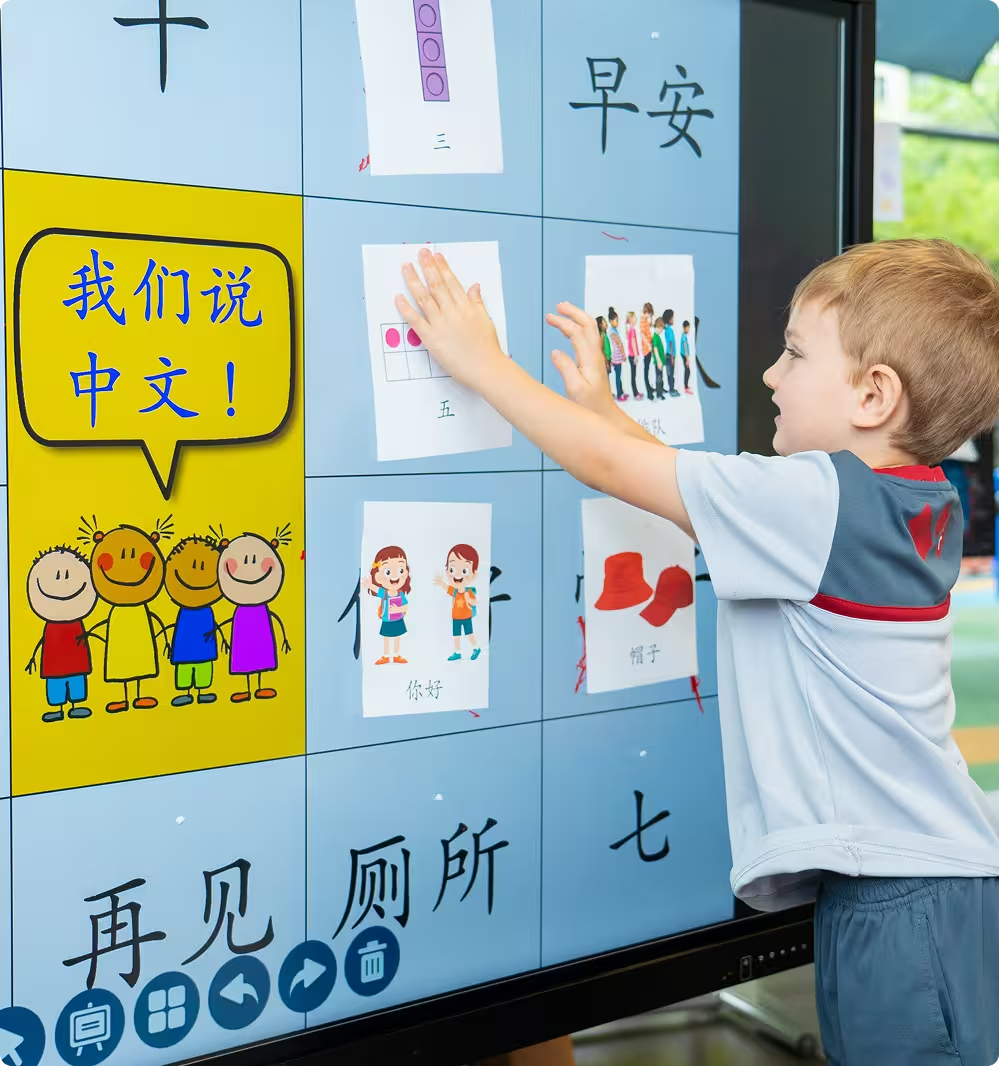
Bilingual learning at XCL World Academy begins from Pre-K and continues through KG1, with English and Mandarin fully integrated into the daily curriculum. Children learn naturally across both languages throughout the day, building confidence in speaking, listening, and early literacy while strengthening cognitive skills such as memory, problem-solving, and flexibility.
Led by Angela Gao, an experienced bilingual educator, the programme is designed to develop strong foundations in both languages from an early age. Through meaningful interactions and shared classroom experiences, students build communication skills and cultural understanding that support their learning across all areas.

A Well-Rounded Foundation for Learning
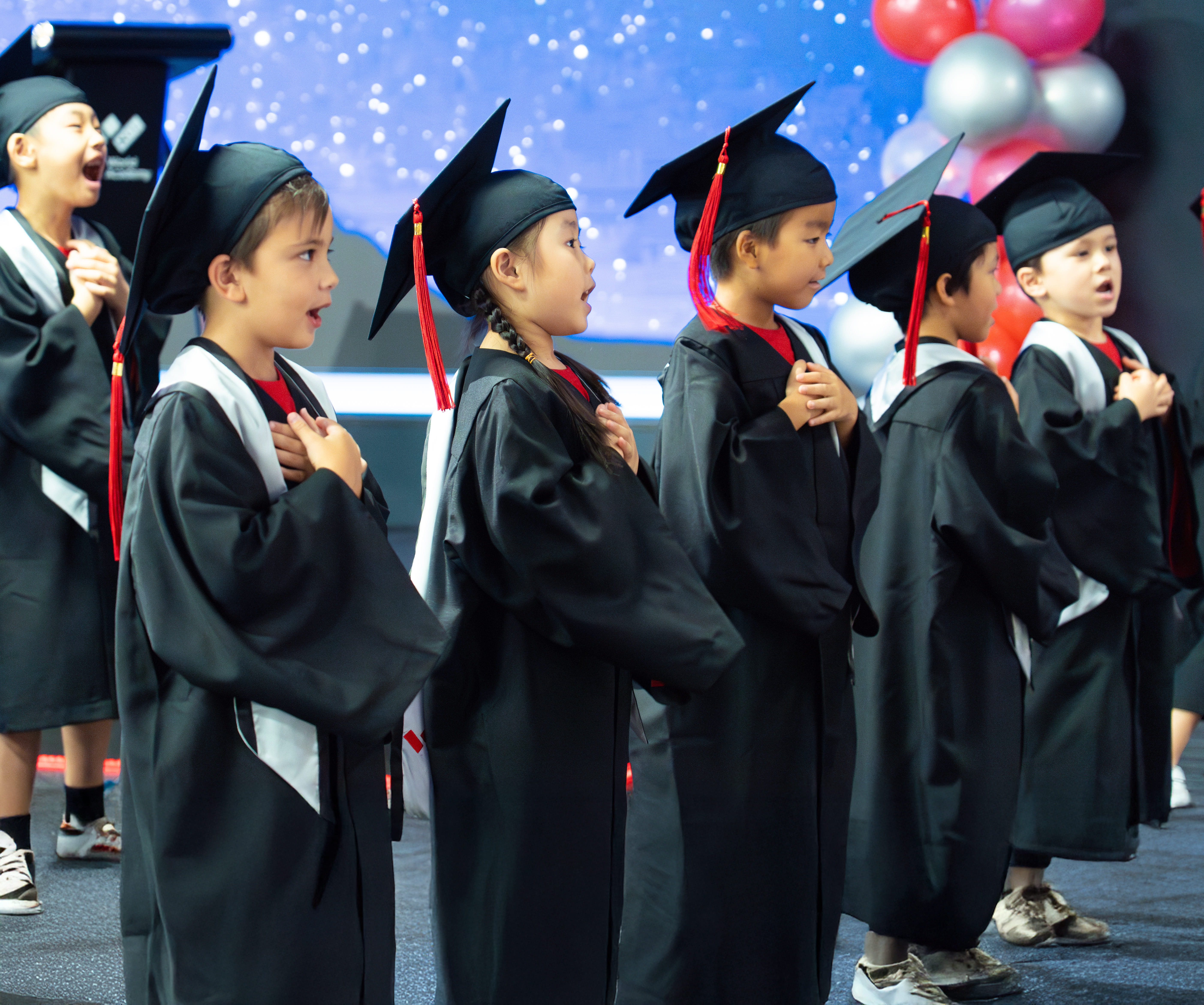
The KG1 year is a pivotal stage where children develop a well-rounded foundation of academic, social, and developmental skills through purposeful, inquiry-based learning. Through a holistic, inquiry-based approach, children grow in confidence, independence, and readiness for the next stage of learning.
1) Early Literacy & Communication
Strong foundations in reading readiness, vocabulary, comprehension, and confident communication in both English and Chinese.
2) Numeracy & Thinking Skills
Development of number sense, pattern recognition, and problem-solving through meaningful, hands-on experiences.
3) Curiosity & Inquiry
The ability to ask questions, explore ideas, and make connections through active, inquiry-driven learning.
4) Independence & Self-Management
Growing confidence in following routines, managing tasks, and taking responsibility for their learning.
5) Social & Emotional Development
Skills in collaboration, relationship-building, emotional awareness, and self-regulation that support resilience and confidence.
6) Creativity, Physical Growth & School Readiness
Creative expression through the arts, development of fine and gross motor skills, and a strong foundation for a smooth transition into KG2 and the IB PYP.
FAQs
Get answers to the most common questions from prospective parents about our school.

The IB Primary Years Programme is a curriculum framework used in international schools worldwide. For children ages 3–6, learning happens through guided exploration rather than worksheets and drills. A child learning about "how things change" might plant seeds, observe growth over weeks, and document what they see through drawings and simple sentences. The same approach continues through Grade 5, so your child does not have to adjust to a completely new learning model in primary school.
Yes. Many families join the bilingual pathway without speaking Chinese at home. Teachers use visual cues, gestures, and consistent routines to help children access content while building language comprehension. The English-speaking teacher works alongside, so there is always support in a familiar language. Most children begin responding to simple Chinese instructions within the first term.
Children move from KG2 to Grade 1 within the same school, following the same IB PYP curriculum framework, often alongside familiar friends. KG2 and Grade 1 teachers communicate about each child's readiness, learning style, and areas needing continued support, so your child does not start Grade 1 as an unknown student.
In subject-based models, children learn Chinese during dedicated lessons. In the bilingual pathway, one of two classroom teachers leads activities, instructions, and routines in Chinese throughout the day. Children hear and use Chinese during maths, art, stories, and daily routines, resulting in significantly more language exposure.
For detailed fees, please click here to view.
In Early Years, all children are introduced to Mandarin through dedicated class time with a specialist Mandarin teacher, covering characters, basic strokes, and conversational Chinese. From Grade 1, students choose between Mandarin, Spanish, or French as their language of study. Japanese-speaking families can also enrol their child in the Japanese Home Language Class from KG2.
Still have questions?
We're here to help!
Contact our admissions team to find out more
Get a head start to your child's education now!