


SUPPORTING EVERY STUDENT AT EVERY STAGE
Three integrated layers of support: Pastoral care that notices early. Counselling that builds resilience. Learning support that removes barriers to success.
Why Pastoral Care at XWA is Different
At XWA, wellbeing is the foundation of how every child learns, grows, and thrives.
Here’s what truly sets XWA apart:

Proactive, Not Reactive Care
We don’t wait for issues to arise. Our systems are designed to identify, support, and nurture every child early.

Every Child is Known, Deeply
Small, connected communities ensure no student is overlooked and every child is seen, heard, and understood.

Integrated Into Daily Learning
Wellbeing is woven into the curriculum, not treated as an add-on or occasional programme.

Specialist + Teacher Partnership
Counsellors, wellbeing leads, and teachers work together seamlessly to support each child holistically.

Future-Ready Emotional Skills
We equip students with resilience, self-awareness, and confidence — skills that last far beyond school.

Strong School–Home Partnership
Parents are actively involved and supported, creating consistency between school and home.
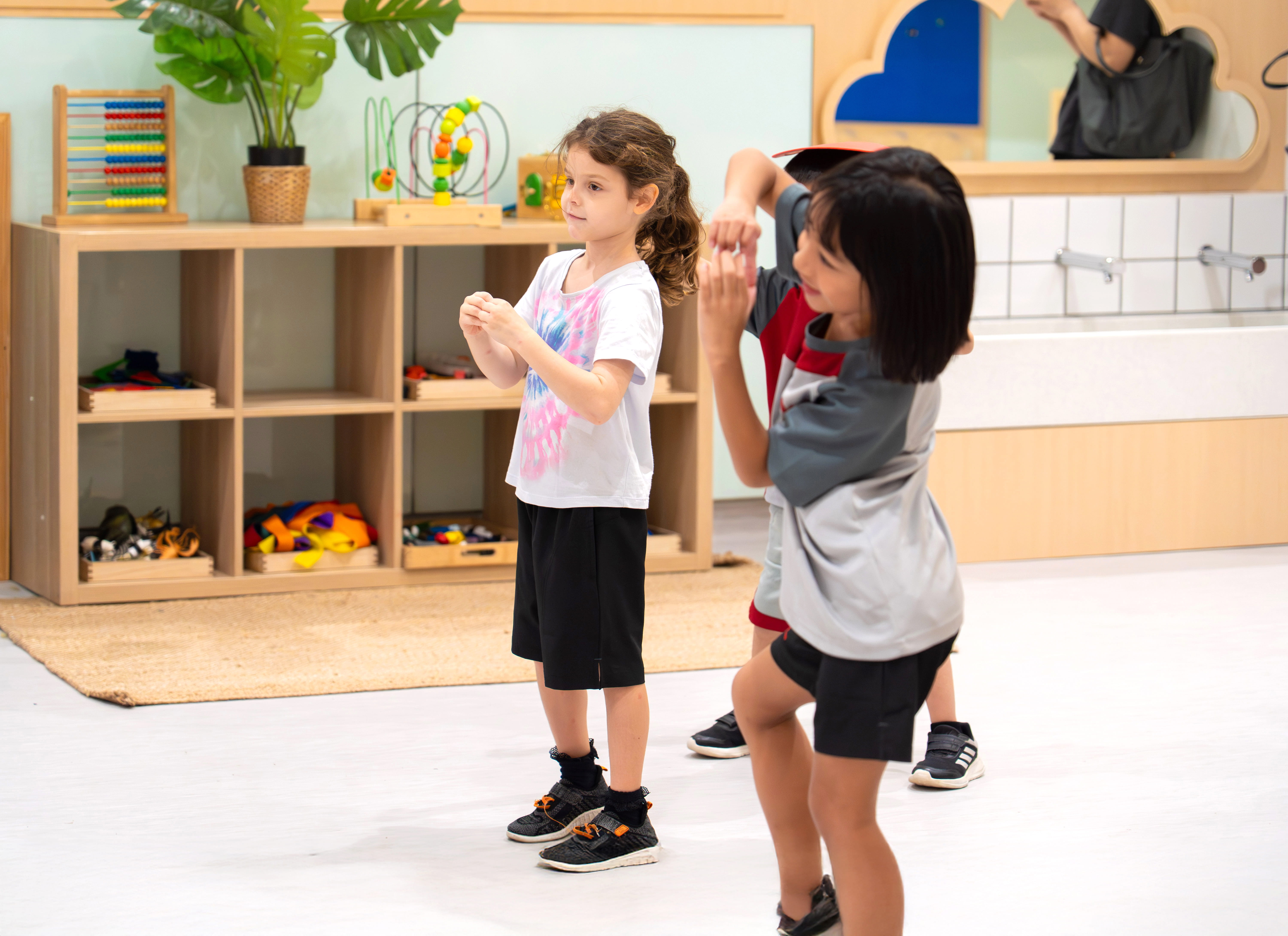
Why Structured Support Matters for Your Family
When choosing an international school, it’s easy to focus on academics and facilities. But for many families, the real reason for switching schools is something less visible: the quality of support their child receives.
In fact, research across Singapore’s international schools shows that “poor parent service” accounts for 29% of school switching decisions, ranking above concerns like curriculum or academic pressure.
In practice, this often means parents finding out about issues too late, concerns that aren’t fully addressed, or gaps between teachers, counsellors, and school systems.
At XCL World Academy, our approach is designed to prevent this. Through clearly structured layers of pastoral care, counselling, and learning support, we ensure that concerns are identified early, responded to appropriately, and communicated with you every step of the way.
Because wellbeing support shouldn’t only appear when something goes wrong, it should be part of everyday school life.
The sections below show how each layer works together to support your child, and your family.
Pastoral Care: Identifying and Supporting Concerns Before They Escalate
Children don’t always tell you when something is wrong. They may not want to worry you, may struggle to express it, or may not recognise it themselves. That’s why pastoral care at XWA is designed to notice what might otherwise go unseen.
In the Early and Primary Years, Heads of Grade oversee wellbeing, while in Secondary, Pastoral Leaders take on this role. Their focus is on understanding students, recognising subtle changes, and responding early.
This includes shifts in friendships, engagement, confidence, emotional wellbeing, or attendance; early signals that can be addressed before they become more serious.
A Designated Safeguarding Lead ensures all concerns are managed with care, clarity, and established protocols.
When concerns arise, the response is coordinated. Teachers, parents, and students are brought together early, so you are informed, involved, and supported throughout.
Peer Support Through the Mentor Programme
Students don’t always turn to adults first, and at times, a trusted peer can make all the difference.
The Mentor Programme prepares Grade 11 and 12 students to support younger peers, particularly during transitions or moments of uncertainty. This creates an additional, intentional layer of support, giving your child more people they trust, and more ways to seek guidance when they need it

Learning Support: Enabling Every Child to Access Their Potential
Every child learns differently. Without the right support, small challenges can affect both progress and confidence over time. At XWA, learning support is thoughtfully designed to ensure that no barrier, academic or developmental, limits a child’s ability to succeed.
Our learning support staff use detailed assessments and professional insight to understand each student fully, creating tailored support plans that evolve as they grow. The focus is not simply on support, but on enabling confident, independent learners.
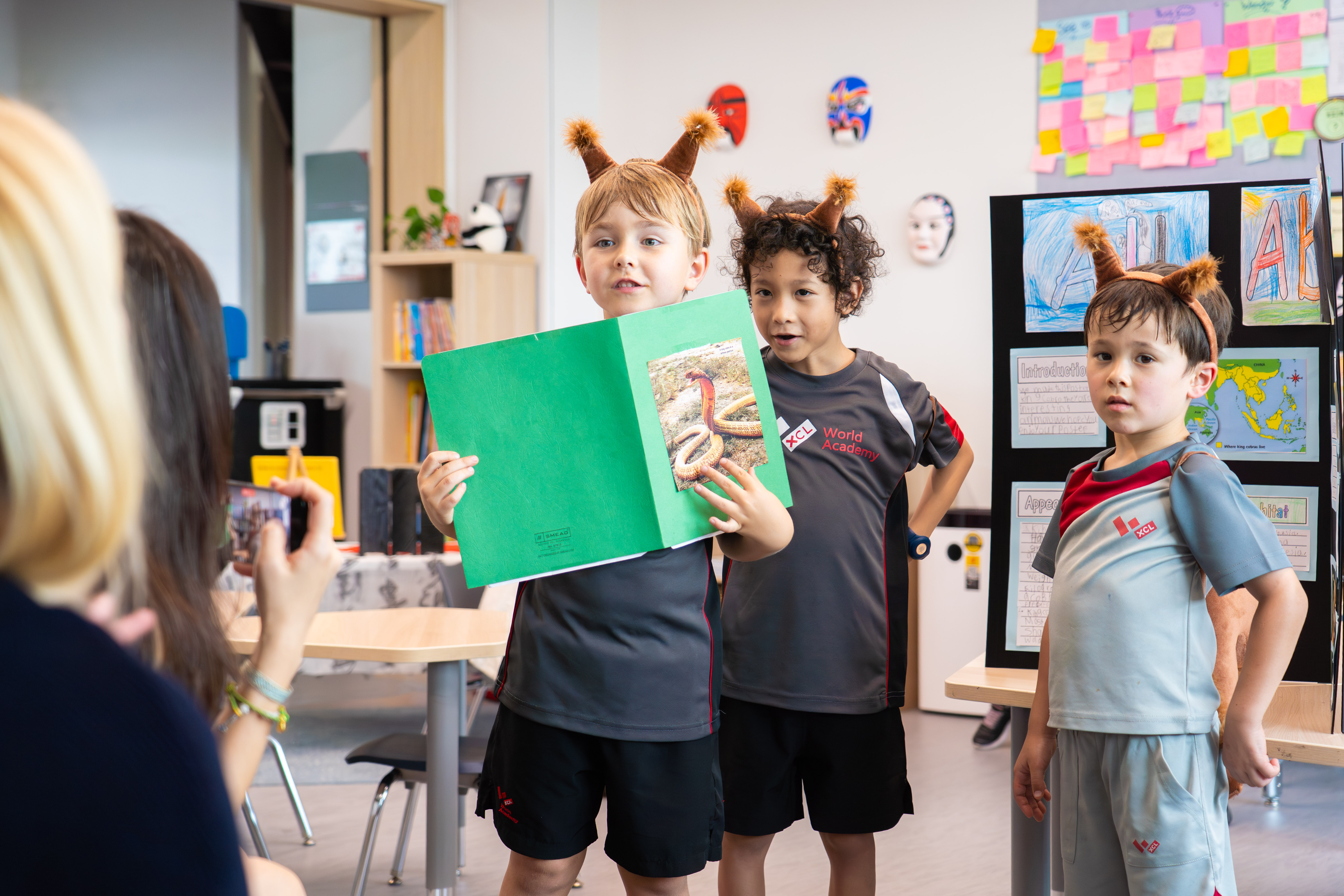
Primary Years (Grades 1–5)
In the Primary Years, support is highly collaborative. Classroom teachers, counsellors, and learning specialists work closely together, ensuring each child benefits from a unified, consistent approach.
Through differentiated teaching, purposeful use of technology, and personalised strategies, students are supported within the flow of everyday learning, without being set apart from their peers.
For students developing English proficiency, the EAL programme provides both targeted instruction and in-class support, ensuring language is never a barrier to participation or progress.
At this stage, support also extends beyond the classroom. Students receive guidance on future pathways and opportunities, helping families make informed decisions with clarity and confidence.
Additional after-school support offers students the time and space to consolidate understanding, particularly during key assessment periods.
Secondary Years (Grades 6–12)
As curriculum demands increase, support becomes more precise and responsive. Subject teachers and learning specialists work in partnership to ensure students can fully engage with complex and challenging content.

Counselling: Expert Support When Children Need It Most
Today’s children navigate pressures unknown to previous generations: social media, academic demands, and complex transitions. At times, they need more than guidance from home or school; they need a trained professional to help them understand emotions, build resilience, and develop effective coping strategies.
At XWA, counselling, provided by school counsellors, is short-term, solution-focused, and entirely optional. It avoids labelling, instead equipping students with practical tools to manage common challenges such as friendship issues, assessment anxiety, transitions, and family changes.
Counsellors collaborate closely with pastoral teams while maintaining clear confidentiality boundaries. When more specialised or long-term support is needed, families are guided through external options, ensuring you are supported every step of the way.

Early and Primary Years
Younger children may find it difficult to express emotions. Counsellors at XWA use age-appropriate approaches, including individual and small group sessions, alongside classroom learning on safety, self-regulation, conflict resolution, and identity.
At this stage, counselling addresses both, immediate concerns and builds emotional foundations for the future. Strong emotional skills developed early help children navigate the increasing social complexity of later years.
Family collaboration is central in primary years, with confidentiality evolving as children mature.
Secondary Years
Secondary Years
Students can be referred or seek support independently. With self-referral and drop-in access before school, during breaks, and at lunch, support is available when they are ready, without needing prior explanation.
While this may feel like reduced visibility, it significantly increases the likelihood that teenagers will seek help when they need it.
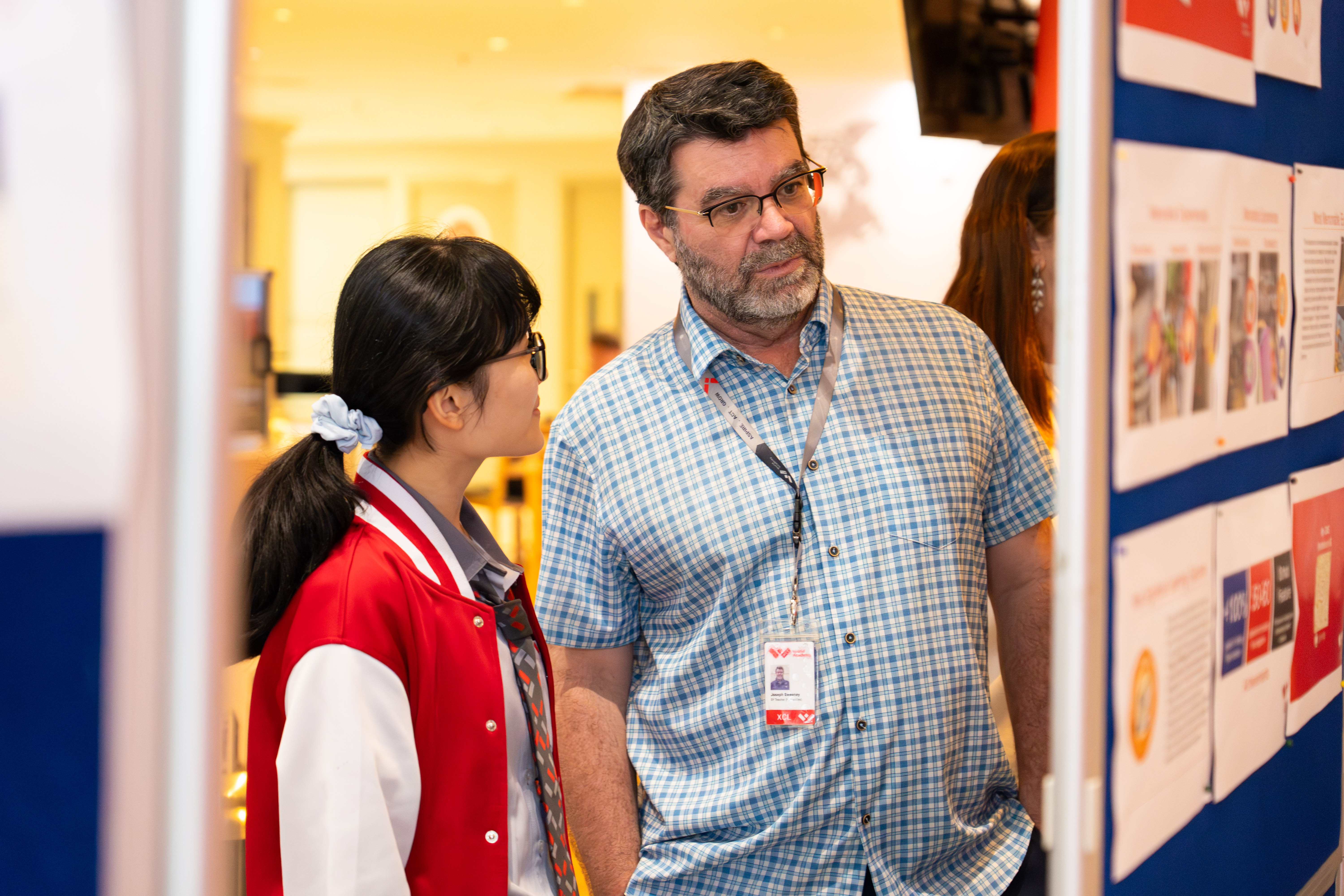

Confidentiality, With Clear Safeguards
Confidentiality is essential to building trust and is clearly explained to both students and families. Information is only shared where safeguarding concerns or risks arise.
This approach respects a young person’s growing independence, while ensuring you are informed if something serious occurs.
Staying Informed: Communication You Can Rely On
Few things are more frustrating than discovering your child has been struggling while the school was already aware. Clear, timely communication isn’t optional, it underpins trust between families and school.
At XWA, wellbeing communication follows clear, consistent pathways built on a simple principle: you are informed early, before concerns escalate.
Day-to-day concerns
Homeroom teachers see students daily and notice shifts in behaviour, engagement, or mood. When something changes, they communicate directly with you. You shouldn’t need to chase updates, teachers proactively share observations that may need attention at home.
Escalated concerns
If concerns persist or deepen, Heads of Grade or Pastoral Leaders step in. They coordinate across teachers, parents, and support staff to implement appropriate support. You remain informed throughout—understanding both the actions taken and their impact.
Counselling communication
Communication around counselling depends on age and context. For younger children, parents are usually informed. For older students who self-refer, confidentiality may be respected unless safeguarding concerns arise.
This approach isn’t about withholding information, it ensures students feel safe to seek support. Without that assurance, many would choose not to ask for help at all.

See the Difference in Every Child’s Journey
Visit XWA to explore how our integrated support ensures your child is understood, supported, and set up to succeed.
FAQs
Get answers to the most common questions from prospective parents about our school.

Homeroom teachers monitor students daily and communicate with parents when they notice changes in engagement, behaviour, or academic performance. However, children don't always show their struggles at school. If you notice changes at home, contact the homeroom teacher or Head of Grade to share your observations. Combined perspectives can reveal patterns that neither home nor school would see alone.
Counsellors work with students experiencing anxiety through short-term, solution-focused sessions. They help students understand their feelings, develop coping strategies, and build resilience. For ongoing or severe anxiety, counsellors connect families with external mental health professionals. Pastoral staff also monitor workload and pressure points across year groups.
Students with identified learning needs receive individual support plans developed collaboratively between learning support staff, classroom teachers, and parents. Support options include small group work, one-to-one sessions, in-classroom support, differentiated materials, and accommodations for assessments. External diagnostic reports inform these plans.
Bullying concerns are taken seriously and addressed promptly. Initial reports go to homeroom teachers or pastoral staff, who investigate and intervene. Serious or persistent cases involve senior leadership and may require formal behaviour management processes. Parents of both the affected student and the student responsible are informed.
For Secondary students, yes. Older students can self-refer to counselling and have confidentiality respected, unless safety concerns arise. This autonomy helps teenagers access support when they need it. For younger students, parents are typically informed about counselling involvement.
Start with the homeroom teacher for day-to-day concerns. For persistent or serious matters, contact the Head of Grade (Primary Years) or Pastoral Leader (Secondary Years). For urgent concerns about safety, contact the school office directly.
School counselling is designed as short-term, solution-focused support. For students who need ongoing therapy, psychiatric care, or specialist intervention, counsellors help families identify appropriate external professionals and coordinate handover. The school continues to support the student while external support is in place.
Still have questions?
We're here to help!
Stay Connected With XWA
Not ready to schedule a tour yet? Subscribe to stay up to date with upcoming events and admissions news.