

The time has come for report cards to roll in! But as crucial as it is for every child’s educational progress, many parents experience a great deal of stress and pressure when it comes to reviewing report cards and discussing them with their children. In this post, we’ll go through some helpful tips on how to have an open and productive conversation about report cards with your child to help them succeed in school.
1. Read the report card together with your child
First and foremost, find the right time to read the report card with your child. It’s best to do it during quiet time and in a place free of distractions and disruptions. Turn off the TV and put all mobile phones away to get their undivided attention.
When reviewing their report card, try not to focus solely on their grades and negatives. There will be something positive, no matter what grades appear on the report card.
It is also essential to read their teacher’s comments and feedback to better understand the areas in which they excel or struggle. Focus on positive comments from their homeroom or subject teachers.
2. Praise your child’s efforts and progress feedback
It’s also important to set a positive tone. Praise your child’s efforts and highlight their achievements to reinforce positive behaviour. As a parent, you need to show that you acknowledge any progress they have made.
Don’t focus on the outcome; let them know that you appreciate and respect their hard work. This kind of parental support will go a long way in helping them perform better and achieve more in school.
3. Remain supportive and positive, no matter what
Regardless of their grades, you should always remain supportive and positive. Listen without judging them, and aim to understand their worries and concerns instead of punishing them for poor grades.
Always acknowledge their problems, and if the need arises, provide them with some helpful tips that will help improve their attitude toward school and achieve better grades.
4. Ask their opinion to get the conversation going
Needless to say, parents only want the best for their children. But in some cases, it’s hard to think of a way to help them if most of the updates you get from them are limited to just “good”, “maybe”, or “I don’t know”.
To get the conversation going, try asking open-ended questions. When going through report cards, try asking them for their opinion about their grades or school in general. Encourage them to share their thoughts about their homework or exams. Are they being too difficult? Do they feel overwhelmed by their school tasks?
You can also use this opportunity to ask them about their next goals for the next reporting period and how they plan to achieve them. When you involve your children in the process, they feel more in charge of their learning and have a greater sense of ownership. This will encourage them to be more enthusiastic about their progress report.
5. Ask questions that invite thoughts, opinions and long-winded answers
To make the most out of your conversation with your child, it’s vital that you also ask good questions that invite thoughts, opinions, and long-winded answers. Engaging in such topics will show them that you’re interested in everything they do. It will help encourage them to share more about their school, like the factors that influence their grades and motivations that will drive them to improve the areas where they might not be succeeding in yet.
6. Make a plan for improvement
When talking to your child about report cards, make sure to shed light on the positive content first. Start by pointing out the improvements made from the previous report and praise them.
If they receive unsatisfactory grades or negative feedback from their teacher, it’s important that you also bring those up with them. But refrain from lecturing them. Ask them instead why they’re having trouble. And together, plan the most effective ways to improve their grades for the next reporting period.
How XCL World Academy Helps Families to Keep Track of their Child’s Progress
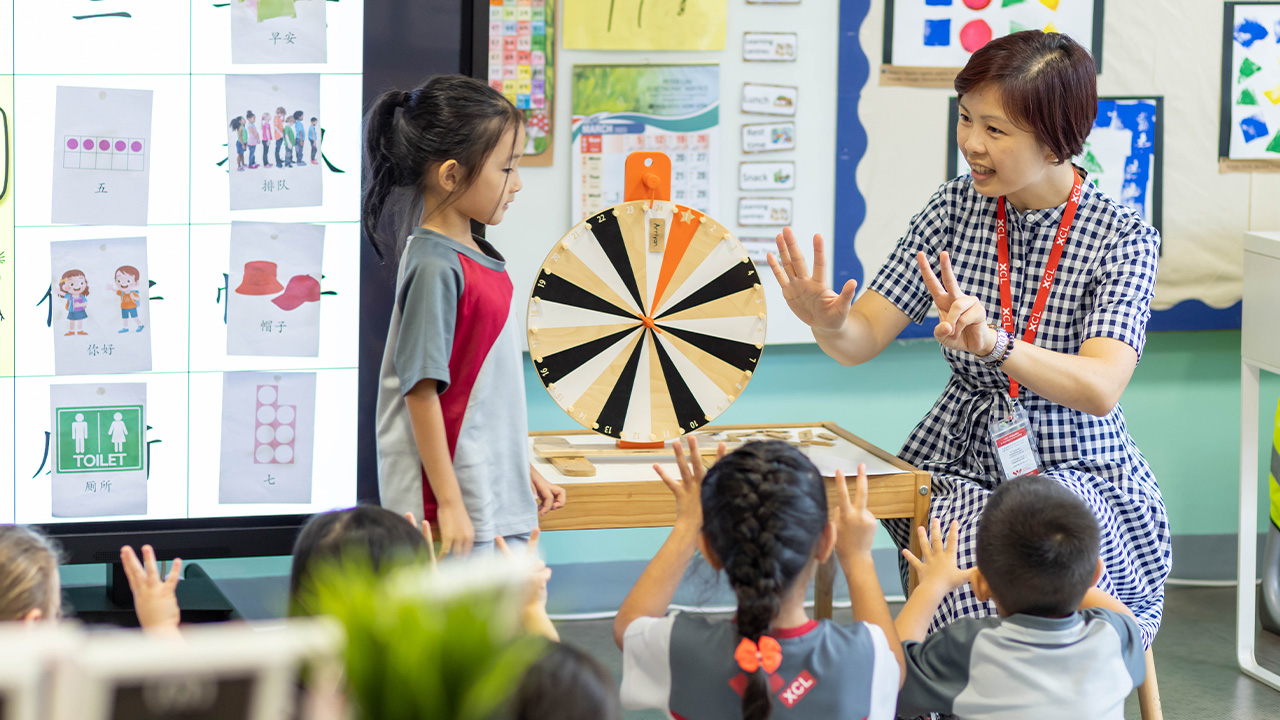
XCL World Academy (XWA) is a culturally rich school in which children come from many different parts of the world. Many of those children have had highly diverse educational experiences in other countries. As a school, it is vital that we know every student in terms of their social, emotional and academic development.
During the academic year, we use a range of standardised assessments, including CAT4, PASS, MAP and WIDA, to pinpoint students’ strengths and areas for improvement in academics and social and emotional areas so that their education can be tailored for greater levels of personalised learning. This information is shared with parents via homeroom communications, Parent Portal, report cards and during Parent-Teacher Conferences.
Our main aim is to build a strong partnership and open communication with every family to ensure the success of every child in school under the guidance of our highly qualified teachers.
We practise an open-door policy and host various parent engagement sessions to provide families with the opportunity to meet our Senior Leadership Team and faculty, learn about our curriculum, find out how they can help their children prepare for assessments or exams, how to read report cards with their children, and how to support their child’s learning journey at school.
If you would like to find out more about XCL World Academy, reach out to our Admissions Team today to schedule a personalised tour for your family or join an upcoming Open House session with our Senior Leadership Team.