As parents, we can’t help but worry about our children’s well-being. From their physical health to their performance at school, we often think about how to better help and support them. The answer is often simple — such as encouraging exercise or helping them with homework.
But what about their mental health?
As they grow up, children face diverse challenges that we, as parents, may not always see. These may include stress from schoolwork, shyness and isolation, conflict at school, adjusting to a new environment and many more. It’s usually obvious how to treat a cold or a broken ankle, but when it comes to mental health, we may not know the next steps.
Click on the links below to directly jump to each section of this list.
- What is mental health?
- Mental wellness in children
- Why is mental health important for students?
- 9 tips to improve your child’s mental health
- How schools promote students’ mental health
- How XCL World Academy promotes mental health in students
What is mental health?
What comes into your mind when you hear the phrase “mental health”?
Many parents think of depression, anxiety, ADHD or eating disorders. However, there’s more to mental health than treating these illnesses and disabilities.
According to the World Health Organization (WHO), mental health is “a state of well-being” in which a person:
- Realises his or her abilities
- Can handle the everyday stresses of life
- Can work productively
- Can make contributions to the community
Therefore, supporting our kids’ mental health is about providing the love and support they need to become healthy, capable and resilient.
Mental wellness in children
When children have good mental health, they’re more likely to be confident and optimistic. They make friends, set goals and look forward to new experiences. Happy children are also more energetic, and they may actively pursue a hobby or interest.
However, mental wellness doesn’t mean being happy all the time. Children face many different challenges, and it’s natural to feel sad, angry or confused from time to time. In these cases, the most important thing is resilience, or the ability to cope with — and recover from — difficult situations.
It takes time to build resilience, but the good news is it can be learned. Resilient kids are better at managing stress, which means they’re less likely to develop anxiety or depressions. It also means they’re more equipped to handle challenges at school and beyond.
Why is mental health important for students?
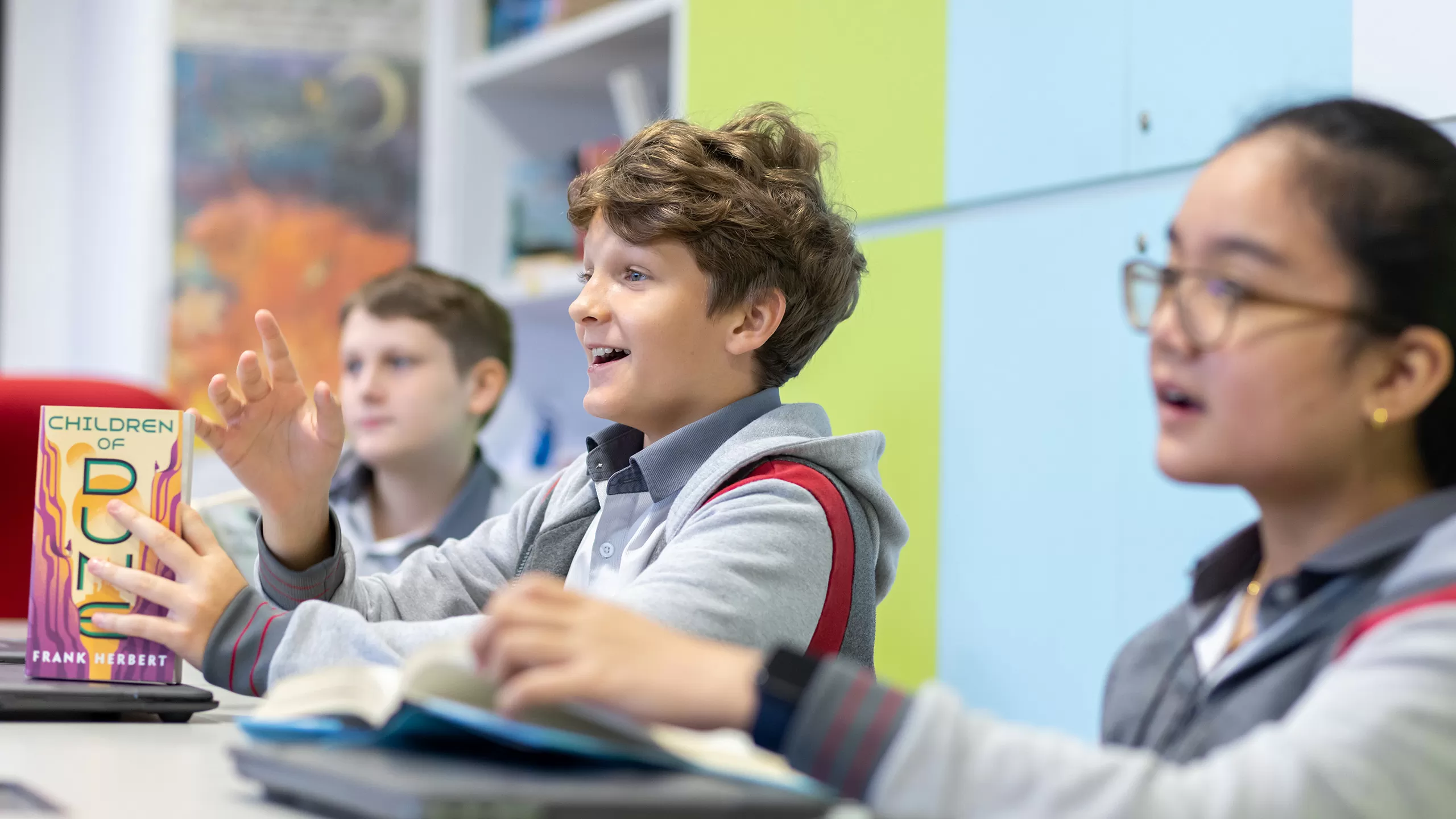
Mental health plays a huge role in a child’s academic performance. Students struggling with depression, anxiety or other mental illnesses may find it difficult to concentrate, negatively impacting their learning. They may also participate less or shy away from their classmates.
On the other hand, mental wellness leads to increased learning and motivation and positive relationships with classmates and teachers. When students are happy and engaged, they tend to participate more in class, leading to better grades and test scores.
Parents and teachers play a critical role in supporting a child’s mental health. By partnering with your child’s teachers, you can help ensure the well-being of your child, both at school and at home.
9 tips to improve your child’s mental health
We can’t always prevent life’s challenges, but we can take steps to ensure that our children are as mentally healthy as possible. Here are some tips to help your children cope with difficult situations:
Listen to your child. Ask about what they did at school or what they want to do on the weekend. Listen to their worries and provide reassurance.
Help them stay connected. Create opportunities for your kids to spend time with friends and family. This can mean visits, video calls or fun weekend activities.
Give reassurance. Emotions such as sadness or anger can be confusing for children. Let them know that it’s okay to feel these emotions and teach them how to express them in a healthy way.
Encourage physical activity. Exercise promotes both mental and physical health. Consider healthy family activities such as biking and swimming, and make it a regular part of your schedule. After-school sports are also a great idea.
Establish a routine. This will help your kids develop healthy habits and feel a sense of security.
Spend time together. Take a few minutes out of each day to spend time with your kids. Play, read or cook together — the important thing is to find an activity that both you and your child enjoy.
Help develop their self-esteem. Saying things like “you worked so hard” helps children take pride in their efforts. Give genuine praise and provide your kids with opportunities to practise independence.
Watch out for changes in their behaviour. Mood swings, anxiety or changes in appetite can point to bigger issues. If it doesn’t subside after a few weeks, you may want to consult a counsellor.
Take care of yourself. Parenting can be difficult, so it’s important to take care of your own physical and mental health. This also sets a positive example for your children, so they know how to deal with stressful situations in the future.
How schools promote students’ mental health
By providing security, care and structure, schools can help children feel safer and less anxious. Schools can share mental health resources with parents and teachers, making it easier to identify problems and seek help when needed. Teachers can also work with parents to provide personalised support for each child.
In the classroom, teachers can talk about the importance of mental health and how students can support one another. Practising communication, collaboration and goal-setting skills can help children become more confident and motivated. Check-ins also help teachers understand their students better and foster a safe environment where every child is heard.
How XCL World Academy promotes mental health in students
We believe that every learner is unique. Students come to us from a wide range of backgrounds and diverse cultural identities. As a school, it is important that we know each student in terms of their social, emotional, and academic development. It is also important to know their strengths and areas for improvement so that their education can be tailored for greater levels of personalised learning. We provide a supportive, nurturing environment to help our students realise their full potential. Our caring and dedicated Learning Support, Counselling, and Pastoral Leadership teams are here to address the individual needs of our diverse learning community.
Homeroom and Pastoral Care Programmes
Our homeroom and pastoral care programmes are designed to equip our students with key social-emotional skills, such as setting goals, making responsible decisions, showing empathy for others and managing one’s emotions.
Our grade-level and pastoral leaders are available to help students struggling with low-level social-emotional challenges. Where appropriate, our Heads of Grade or Pastoral Leaders will work with the student, parents and teachers to create a support plan focused on meeting the student’s needs.
We have also implemented a Mentor Program with a group of Grade 11 and 12 students. Mentors offer peer support to students, enhance the transition support for new students and inspire other students to ‘pay it forward’.
This approach ensures that students and their families are provided with numerous levels of support available to them at any time.
Counselling
We offer school Counselling Services to help our students navigate social and emotional challenges. Our Counsellors are always available to meet with students, either through scheduled or drop-in meetings outside of class hours. Counselling sessions are tailored to meet the needs of the students and provide the necessary safety and support whilst also addressing any barriers to academic, social and emotional growth. This can also be the first step for students who would benefit from professional mental health support outside of school.
Students in Early and Primary Years may be referred for counselling by their parents and teachers, while students in Secondary Years are encouraged to contact a Counsellor personally to schedule a private meeting.
Mental Health Week
Every year, we host Mental Health Week to raise awareness, shine a spotlight on the importance of young people’s mental health, help students understand that it is “okay not to be okay”, and share the ways on how to overcome difficult situations in life.
Arts, Sports and Extra-Curricular Activities
Art and sports are two pillars that possess the power to forge an individual’s character. XCL World Academy offers a comprehensive art and sports programme and diverse extra-curricular activities for all students.
Sports teach your children the principles that they can implement in their lives. The importance of discipline, teamwork, dedication, failure, belief, etc., teach them never to stop fighting while dealing with difficult situations. While art helps children understand themselves and the world better. It helps them gain new perspectives towards life and also teaches them to comprehend other people’s views. It also gives them a better awareness of themselves during times of uncertainty.
XCL World Academy also provides university and career guidance and a personalised learning approach for each child so that each one of them has the opportunity to pursue their dreams.
We communicate with parents regularly to discuss their concerns, including their child’s mental health. By closely collaborating with parents, we create a safe and nurturing environment where each child gets the support they need for their academic, social and personal well-being.
Want to learn more about how we support our students’ mental health? Check out our student well-being programmes or contact us for any questions you may have.