


What Should My Child Know at Each Age? A Parent's Guide to Developmental Milestones (Ages 4–11)

At some point, every parent asks the question: Is my child where they should be? And perhaps even more importantly, how do I know where they should be?
Maybe it starts when a friend’s five-year-old is reading short books while your child still prefers having you read to them. Or when your eight-year-old bursts into tears over a math concept they seemed to understand just the week before. These moments can feel unsettling, but they are also completely normal.
Children move through broadly predictable stages of growth, but not on the same timetable and that’s part of what makes children so unique. Every child develops their own strengths, interests, personality, and way of understanding the world. A child who reads early may take longer to speak up in a group or make friends easily. A child who struggles with handwriting at six may be the most articulate storyteller in the room.
This guide covers the key developmental milestones from ages 4 to 11, spanning the kindergarten and primary school years. For each age, we look at three areas: physical development, social and emotional growth, and academic learning.
The milestones described here are drawn from established child development research, including Yardsticks by Chip Wood, a widely recognised resource used by educators to better understand child and adolescent development.
Where relevant, we have included examples of how XCL World Academy's (XWA) Primary Years Programme curriculum aligns with these developmental stages, so you can see how classroom learning connects to the way children naturally grow.
A note before you begin: Every child develops differently. These milestones represent a range, and it is common for children to reach certain stages earlier or later than described. If you have concerns about your child's development, speak with their teacher or a paediatrician.
Age 4: Building Through Play
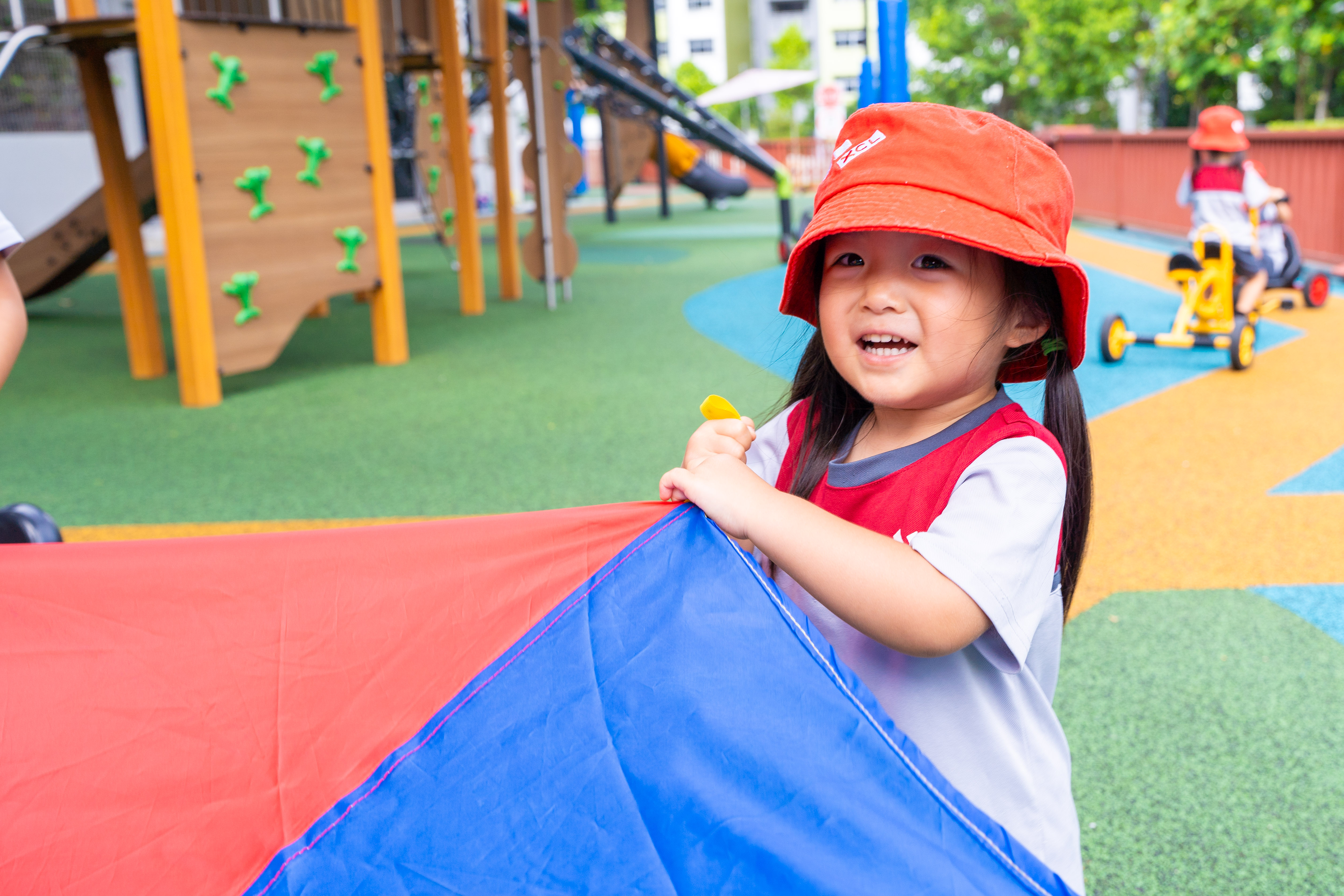
Physical development At four, children are constantly on the move. Running, jumping, climbing, and dancing fill their day, and collisions and spills come with the territory. Fine motor control is still catching up: writing feels awkward, handcrafts are clumsy, and switching focus between something close (a page) and something far away (a whiteboard) is hard. That gap between what they want to do and what their hands can manage is normal at this stage.
Social and emotional development Four-year-olds tend to be sociable and chatty. They want to be around other children, though new situations or loud environments can make them anxious. They are learning to share, take turns, and work together, but they still need adult help to use words instead of pushing or grabbing. Imaginative play, dress-up, and drama are powerful tools for developing communication at this age.
Academic development At this age, a child learns more from building a tower of blocks than from filling in a worksheet. Attention spans are short, and hands-on play is the primary vehicle for academic growth. Maths and counting happen through practical activities like sorting objects or distributing snacks. Fours love experimenting with language and delight in big, unusual words. Writing starts with a whole-fist pencil grip, scribbling, and invented spelling, and that is exactly where it should be.
At XWA: Four-year-olds are in KG1, where the IB Primary Years Programme begins with play-based, inquiry-led learning.
Age 5: Rules, Routines, and Repetition
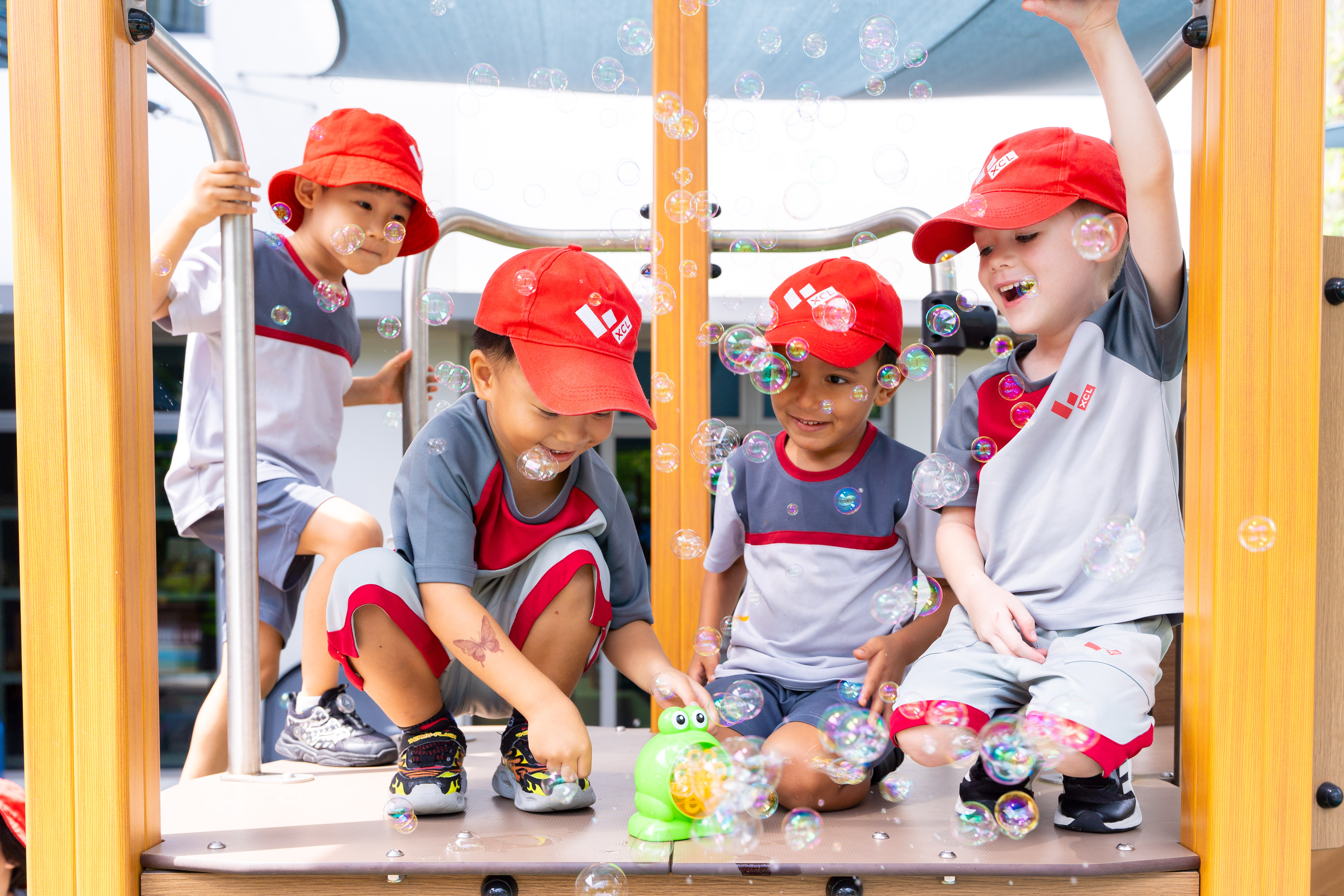
Physical development Fives need plenty of movement and may prefer to work standing up. They are gaining better control over running and jumping but may still fall or slip off chairs. Their eyes tend to focus on nearby objects, which makes copying from a board tricky. Small, precise movements like forming letters are still developing.
Social and emotional development At five, children are eager rule-followers. They want to help, cooperate, and do things the right way. Early on they express themselves in few words, but as the year progresses they enjoy explaining things and giving elaborate answers. Fives tend to see one way to do things and may resist other viewpoints. Mistakes can feel threatening. Clear expectations, predictable routines, and simple, consistent responses to behaviour work well.
Academic development Repetition is how fives absorb new skills. They will happily hear the same story five nights in a row, sing the same song all week, and replay a counting game until the pattern clicks. Within a predictable daily schedule, they appreciate guided choices that let them make small decisions for themselves. Most fives can sit and work at a quiet activity for 15 to 20 minutes. Regular practice writing letters and numbers is helpful, and being read to remains one of the most valuable things a parent can do.
At XWA: Five-year-olds are in KG2 (age 5–6). The literacy programme builds on this natural curiosity through story-based inquiry units. In "Tell Me a Story," children learn to retell stories by identifying characters, settings, and major events. In "Living Together," they begin picking out main ideas and supporting details in informational texts. Units of Inquiry encourage learning through collaborative exploration, and daily language acquisition sessions (45–60 minutes) give every student regular exposure to an additional language.
Age 6: Energy, Enthusiasm, and Sensitivity
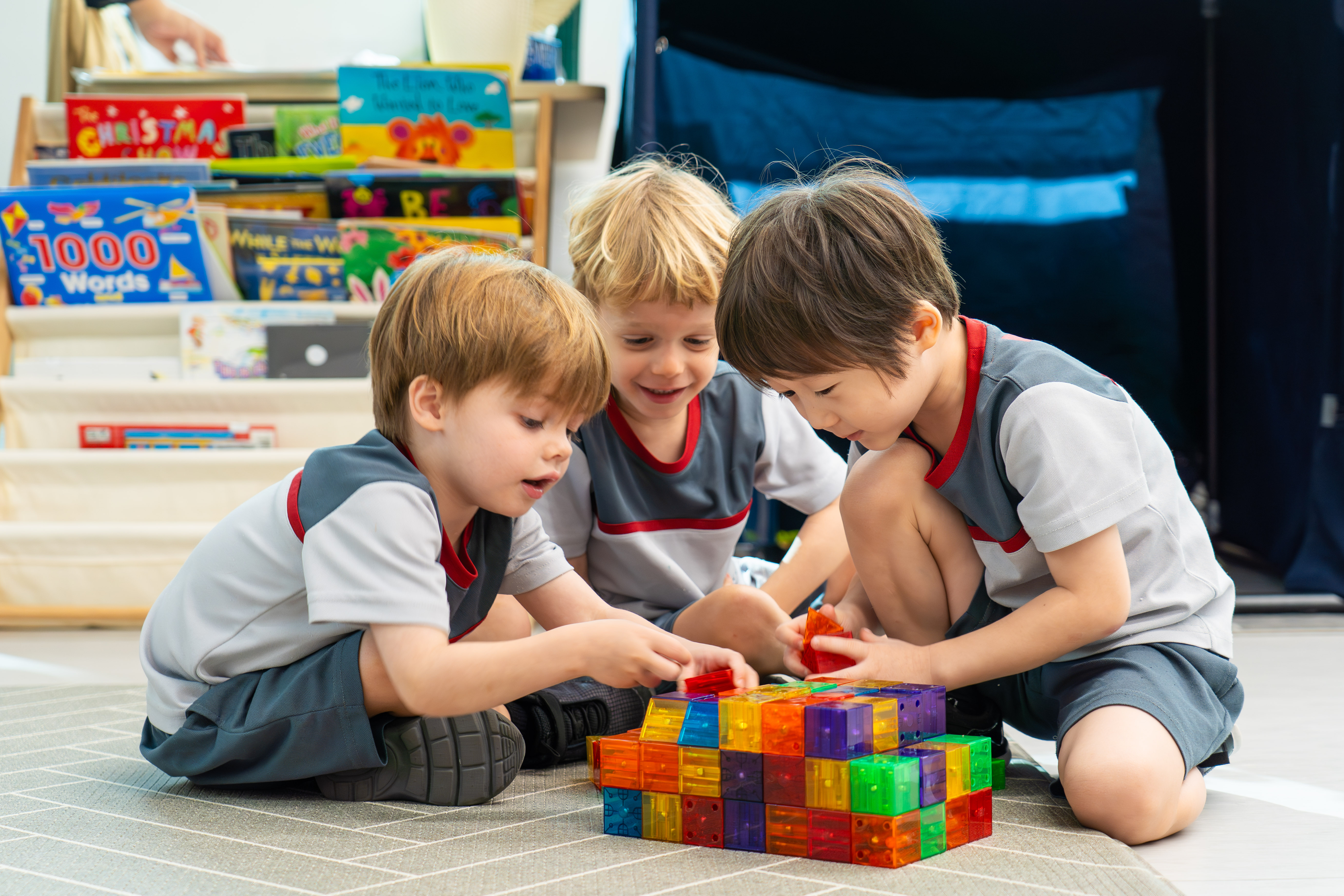
Physical development Six-year-olds are full of energy and excitement about the world. Their energy comes in bursts, and they tire quickly. Frequent illness and absences are common at this age. They are becoming more aware of their fingers as tools, for counting or manipulating small objects, but fine motor control is still inconsistent. Children at this age often chew on pencils, fingernails, or other objects.
Social and emotional development Six-year-olds want to succeed and will put effort into pleasing adults. A small correction can feel enormous to them, so encouragement matters more than ever at this stage. Competition over friendships can lead to bossiness or complaints. At the same time, sixes have a tremendous capacity for enjoyment. Friendships matter a lot at six. They love sharing discoveries, and they are starting to want to do things on their own terms.
Academic development Curious and eager to learn, sixes produce a large quantity of work but are less focused on quality. They love discovery, new ideas, and asking questions, and respond best to adults who value effort and encourage risk-taking. Artistic sixes gravitate towards drawing and painting. Pencil grasp is improving, though handwriting is often rushed and uneven. Maths clicks best when it involves measuring objects, working with manipulatives, and solving simple problems with concrete materials.
At XWA: Six-year-olds are in Grade 1 (age 6–7). Grade 1 dedicates 1.5 hours daily to literacy and 1 hour daily to numeracy, with structured foundational phonics as the backbone of reading instruction through to Grade 2. Literacy units progress through themes like "My Neighbourhood" (asking and answering questions about key details), "Changes" (identifying main ideas in nonfiction), and "The Stories We Tell" (comparing characters' experiences across different stories).
Age 7: The Perfectionist Stage

Physical development Seven-year-olds like to work in a small, close area. They will often lean over their desk when writing or drawing, sometimes resting their head on one arm. Gross and fine motor skills are noticeably more coordinated for throwing, catching, and sport. Muscles can be tense, and pencil grip tends to be tight. Sevens can be sensitive to bumps and aches that they might have shrugged off a year earlier.
Social and emotional development Seven-year-olds like things to be orderly and predictable. A change of teacher or a surprise test can unsettle them more than it would at six or eight. They are deeply imaginative and curious, but also sensitive and sometimes moody. Sevens tend to be extremely loyal to their classroom teacher, with strong likes and dislikes and a clear sense of right and wrong. Best friendships are intense at this age, but they can rotate quickly.
Academic development At seven, schoolwork becomes personal. Children at this age can worry about tests and assignments, and mistakes bother them. They try hard to make their work perfect, prefer to work slowly, and like to finish what they start. They benefit from verbal review and regular check-ins with their teacher. Sevens can listen well and speak precisely. They enjoy hands-on exploration, verbal and artistic reflections, and activities like collecting, sorting, and classifying. Practising maths skills through games and incorporating humour into learning helps balance their seriousness.
At XWA: Seven-year-olds are in Grade 2 (age 7–8). Grade 2 builds on the phonics foundation with increasingly complex literacy units. In "Traditions," children learn to recount stories from diverse cultures and determine central messages. In "Friendship," they begin writing opinion pieces, stating an opinion and supplying reasons with linking words. The 45-minute daily science and social studies block channels that curiosity through PYP Units of Inquiry. Outside the classroom, the Xpeditions programme has taken Grade 2 students on orienteering and scavenger hunt challenges, with community service visits to local elder care homes.
Age 8: Social and Adventurous

Physical development Eight-year-olds need regular opportunities to burn off energy through outdoor activities and physical games. They are restless and often in a hurry, playing hard and tiring quickly. Short play breaks throughout the day help them reset. Growth spurts can cause temporary awkwardness in coordination, though hand coordination is improving and many are ready for an adult pencil grasp.
Social and emotional development Group projects and team activities suit eights well. They are energised by working alongside peers and are full of ideas they want to explain and jokes they want to tell. Peer approval becomes as important as the teacher's. Eights tend to adjust well to change, bouncing back from mistakes or disappointments more quickly than at seven. A growing sense of moral responsibility can lead them to rally around an issue they consider unfair.
Academic development Eights are industrious and can become completely absorbed in what they are doing, but their attention span has limits. They often take on more than they can handle and may lose motivation when they tire. Short exercise breaks help them regain focus. They organise work well and show increasing interest in rules, logic, and how things work. They are beginning to read independently and growing more consistent with correct spelling. They benefit from math problems that use all four operations, geometric patterns, and opportunities to create graphs.
At XWA: Eight-year-olds are in Grade 3 (age 8–9). Grade 3 literacy units meet this developmental stage with increasing analytical depth. In "Our Incredible Earth," children learn to identify main topics across multi-paragraph texts and use text features such as captions, bold print, subheadings, and glossaries to locate information. "Patterns" introduces comparing themes, settings, and plots across stories by the same author. Research skills emerge: children begin conducting short research projects, gathering information from print and digital sources, and taking brief notes.
Age 9: Trying on New Identities
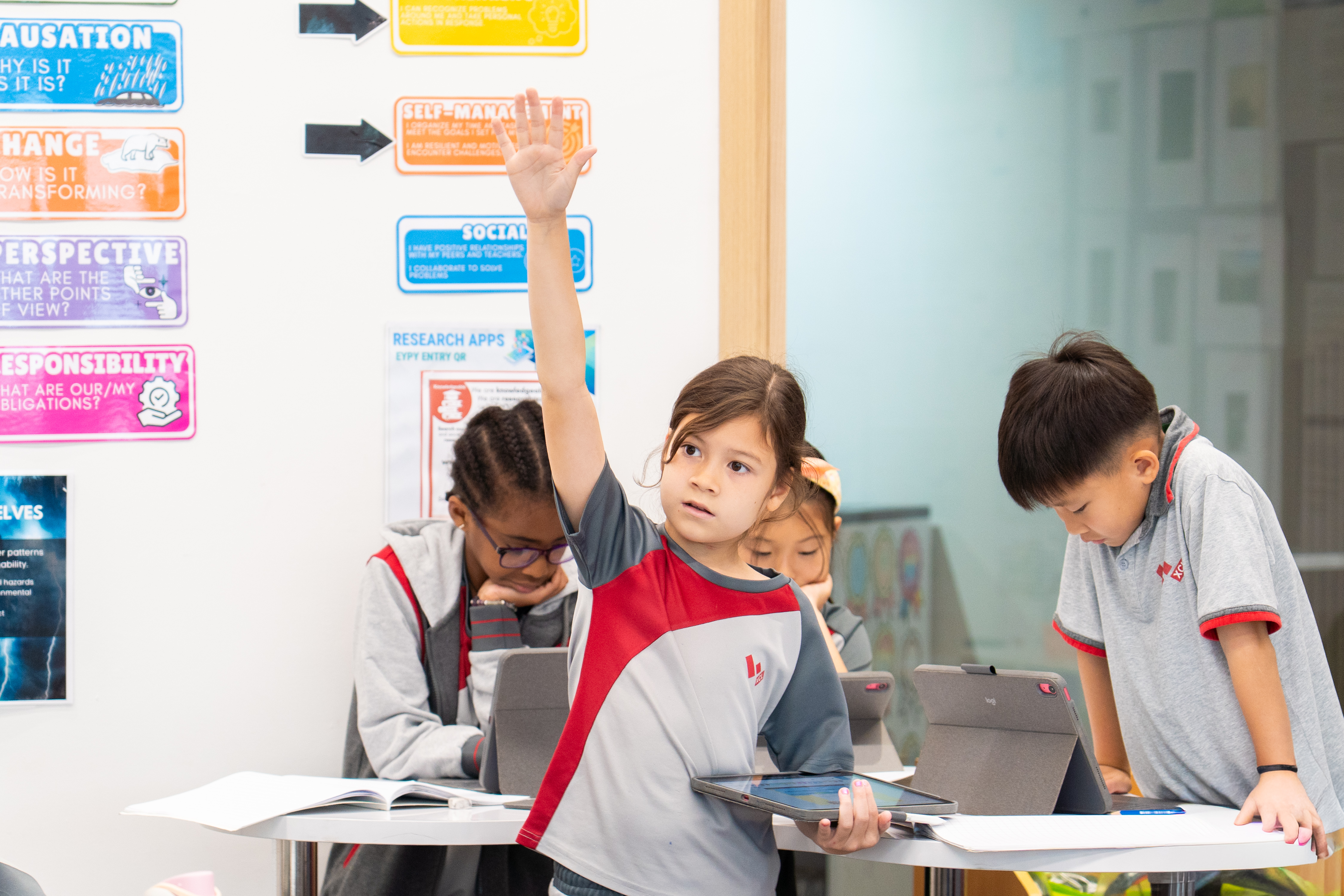
Physical development Nines are restless and like to push their physical limits, though they also tire easily. Coordination is evident across most physical activities, and drawing, knitting, and other fine motor tasks benefit from regular practice. Some nines show interest in detailed illustrations, scientific notations, and comic strips. Anxiety can show up physically at this age through nail-biting, hair-twisting, or complaints about aches and pains.
Social and emotional development At nine, children are experimenting with who they want to be. Hairstyles, clothing choices, and attitudes can shift from week to week. Moods and interests change rapidly. Nines enjoy debate and negotiation and are highly competitive. Friendship groups may start to form cliques, and adults need to stay alert to social dynamics. Nines can be critical of themselves and others and are intensely focused on what is and is not fair.
Academic development With work they find boring, nines can be impatient and easily frustrated. But they are also industrious and intellectually curious, beginning to think about a bigger world of ideas and looking for explanations about how and why things work. They can hold more than one concept in mind at a time. Most nines are strong enough readers to tackle word problems and begin doing research. As writers, they take pride in attention to detail and finished work, and show readiness for the revision process.
At XWA: Nine-year-olds are in Grade 4 (age 9–10). Grade 4 meets the nine-year-old's expanding analytical abilities head-on. In "Human Body Systems," children determine main ideas, describe text structures like chronology and cause/effect, and compare firsthand and secondhand accounts. In "Celebrations," they write narratives using dialogue, sensory details, and transitional words. Research skills deepen: students gather data from print and digital sources, take notes, categorise information, and provide source lists. Xpeditions at this stage have included activities like a tree-top adventure for team building and a beach clean-up for community service.
Ages 10–11: Growing Independence
.jpg)
Physical development As large muscles develop, tens need plenty of outdoor time so their energy does not spill over into the classroom. Frequent snacks and rest periods benefit their rapidly growing bodies. Control of small muscles improves, and they enjoy precision tasks: tracing, copying, making maps, and drawing cartoons. By eleven, children are restless and energetic, needing plenty of food, physical activity, and sleep. Growth spurts and early adolescent changes begin to appear.
Social and emotional development Tens are generally happy and friendly, enjoying time with family and peers. They are cooperative and flexible, doing well with group activities and collaborative learning. As their sense of right and wrong matures, they are usually truthful and appreciate being noticed for their efforts. By eleven, children can be more self-absorbed and impulsive, increasingly able to see the world from different perspectives and more adept at abstract thinking. Testing limits is a significant developmental milestone at this age.
Academic development Ten-year-olds take pride in their schoolwork. They are usually conscientious about homework and can concentrate for long periods. They enjoy rules and logic, take pleasure in collecting, classifying, and organising, and pay close attention to directions. They are voracious readers and need as much time for independent reading as for homework. By eleven, children enjoy challenging tasks but need support with time management. They learn well in collaborative groups but benefit from quiet breaks between periods of physical activity, focused academic work, and intense social interaction.
At XWA: Ten- and eleven-year-olds are in Grade 5 (age 10–11). Grade 5 literacy units like "Journeys" develop advanced narrative techniques such as dialogue, pacing, and sensory detail. "Perspectives" introduces the analysis of multiple accounts of the same event, and "Spheres" challenges students to conduct research using several sources and report findings with appropriate facts and descriptive details. Grade 5 students also take part in an overseas Xpeditions camp (Bintan, Indonesia, in 2025–26), where challenge-based activities, service projects (constructing safe water gardens), and cultural experiences give students the experience of navigating an unfamiliar environment, working as a team, and contributing to a community beyond their own.
How XWA Supports Each Stage
Developmental research shows that children learn best when their school environment matches their stage of growth. At XWA, the IB Primary Years Programme is built around this principle.
Structured daily learning time: Children spend 1.5 hours on literacy and 1 hour on numeracy every day, giving foundational skills the sustained practice they need to stick. A further 45 minutes of science and social studies plus daily language sessions round out each day.
Inquiry-based learning: Through PYP Units of Inquiry, children investigate questions that cross subject boundaries, connecting maths, science, language, and social studies in a single project. Parents see the effect when their child starts drawing links between what they read, what they observe, and what they discuss at home.
Specialist-led enrichment: XCLerate is taught by a dedicated specialist teacher and integrated into the Units of Inquiry across KG2 to Grade 5. It is built around six pillars: Creative Arts, Community Action Service, Early Start AI and Technology, Entrepreneurship and Financial Literacy, Global Citizenship, and Student Leadership.
Beyond XCLerate, students also participate in a wide range of specialist-led enrichment classes designed to support holistic development. These include Performing Arts such as General Music, Strings, Dance, and Choir for Grades 4 and 5, alongside specialist classes in Visual Arts, Physical Education, Aquatics, and Library Studies.
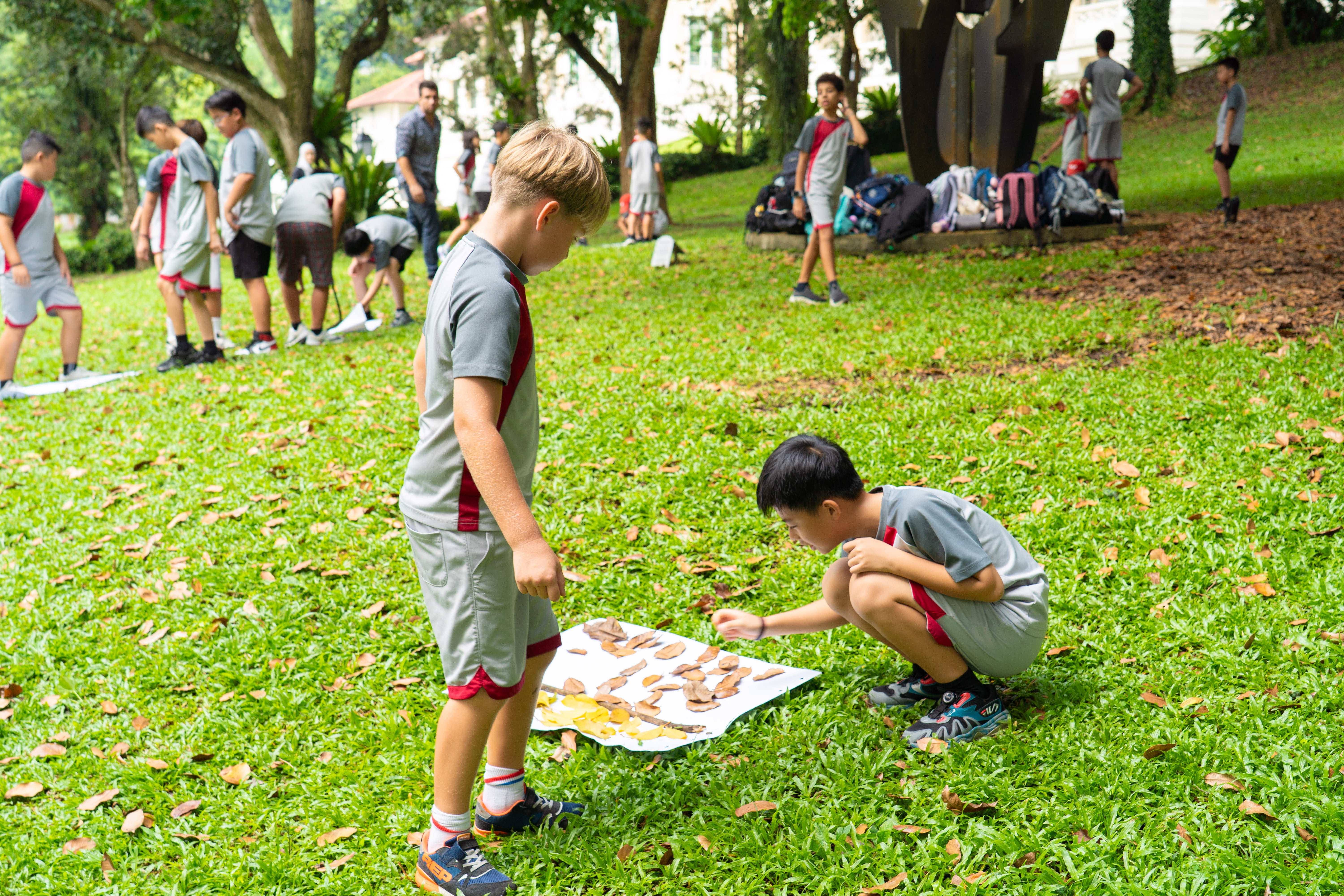
Learning beyond the classroom: From KG2 onwards, students take part in Xpeditions, a progressive outdoor and experiential learning programme designed to build confidence, resilience, collaboration, and independence through real-world experiences. Trips evolve each year, beginning with local team-building adventures in the early years, moving into community service experiences in the middle grades, and culminating in an overseas camp by Grade 5, such as Bintan, Indonesia in 2025–26. Each experience gives students opportunities to solve problems, work with peers, adapt to unfamiliar environments, and grow beyond the classroom.
In the earlier years, students also participate in Little Xplorers, XWA’s outdoor learning programme that encourages curiosity, creativity, and exploration through nature-based experiences and hands-on activities.
What to Do If You Are Concerned
If something feels off, trust your instincts and start a conversation. Your child's classroom teacher is the best first point of contact. They see your child in a learning environment every day and can offer perspective on whether what you are observing falls within the typical range or is worth investigating further.
At XWA, each class is supported by both a teacher and a teaching partner, meaning two adults are closely tracking your child’s progress, wellbeing, and development every day. This is further supported by a full-time counsellor, a dedicated learning support team, and universal speech and occupational therapy screeners for all students from Nursery to Grade 2, helping identify and support developmental needs early.
In addition, XWA has a Student Study Team that closely monitors any students of concern to ensure that challenges are identified early and appropriate interventions are put in place to help close learning or developmental gaps. Parents remain an important part of this process, with ongoing communication, collaboration, and consent throughout every stage of support. Classes are balanced across friendships, nationalities, gender, English proficiency levels, special educational needs requirements, and previous academic experience.
For developmental concerns beyond the classroom, a paediatrician or child development specialist can provide formal assessment and guidance.
Every child develops differently, and at XCL World Academy, learning is designed to support each child’s unique strengths, needs, and pace of growth. Book a personalised campus tour to meet the teachers, explore the learning spaces, and see firsthand how XWA supports every child academically, socially, and emotionally to help them thrive with confidence.





.jpg)