

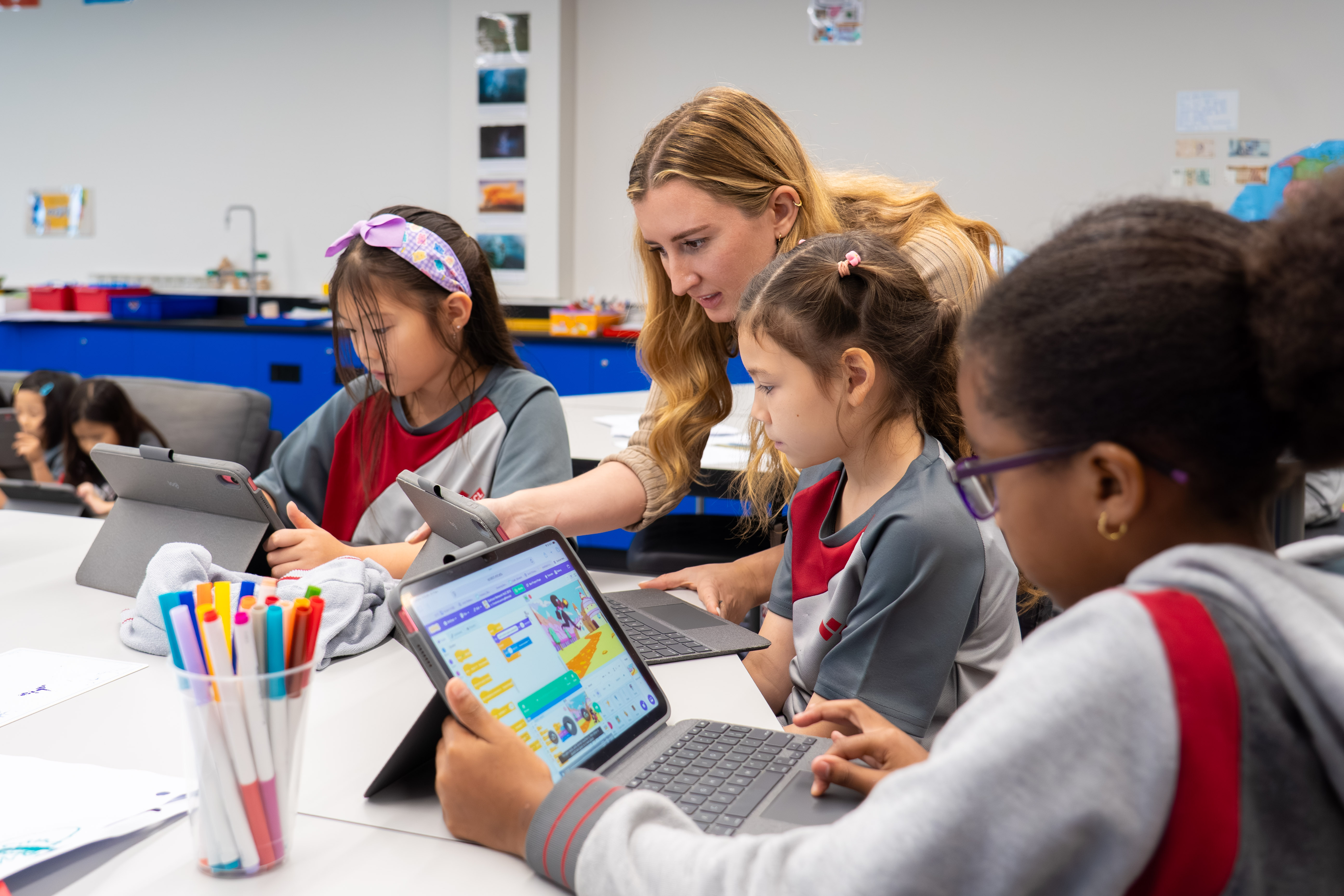




6가지 기둥. 무한한 가능성.
XCLerate®의 각 기둥은 자녀 성장의 다양한 측면을 발전시킵니다. 이 기둥들은 함께 창의성, 공감 능력, 리더십, 디지털 자신감, 글로벌 인식, 그리고 아이디어를 행동으로 전환하는 능력을 길러줍니다.

Creative Arts
Students develop expression, communication, and the ability to share ideas creatively across multiple forms.

Global Citizenship
Students build awareness of global issues, sustainability, and the interconnectedness of communities.

Student Leadership
Students strengthen voice, agency, collaboration, and the confidence to take initiative.

Community Action Service
Students engage in authentic service experiences that create meaningful impact.

Early Start AI and Technology
Students develop computational thinking, coding, digital confidence, and ethical understanding of technology.

Entrepreneurship and Financial Literacy
Students learn to identify problems, create solutions, understand resources, and make thoughtful decisions.
What Your Child Gains Over Time
Research shows that students in bilingual programmes often make strong gains in both language development and overall learning. In this programme, students not only learn two languages, but also learn through both languages—using them to think, communicate, and solve problems across subjects. This strong bilingual foundation prepares students well for the IB Middle Years Programme.
By this stage, your child will have spent years reading, writing, discussing, and interpreting increasingly complex ideas across subjects in two languages, developing both academic proficiency and confidence.
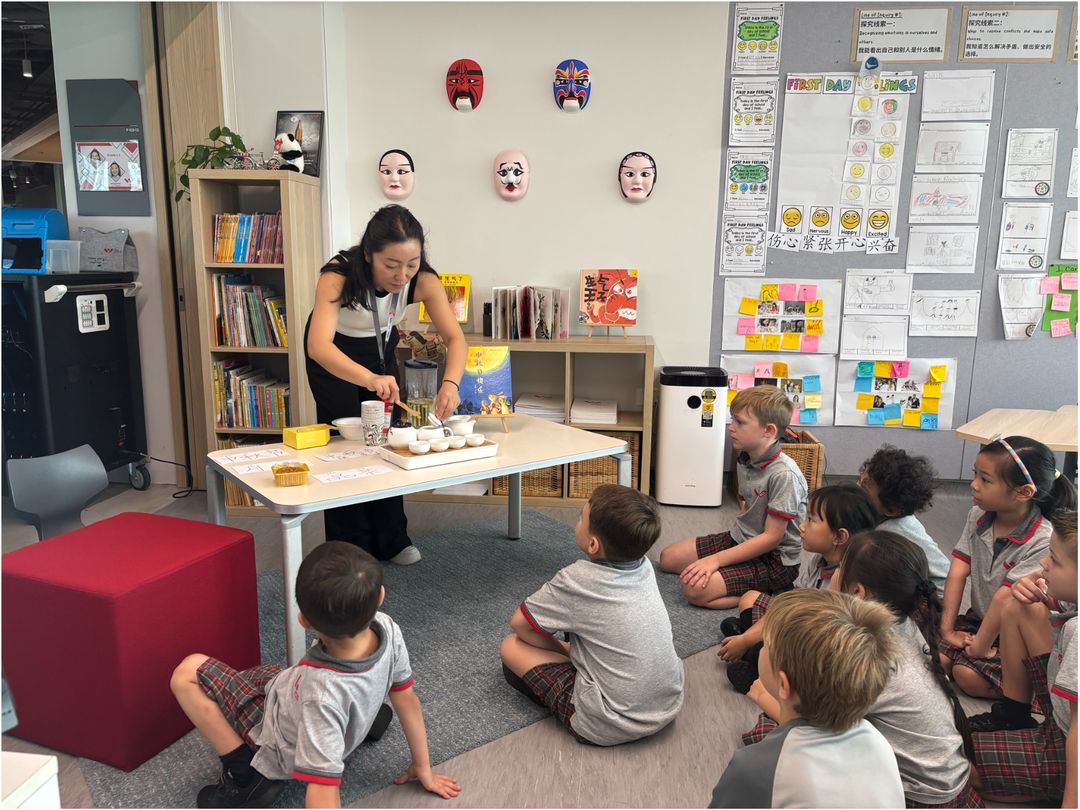
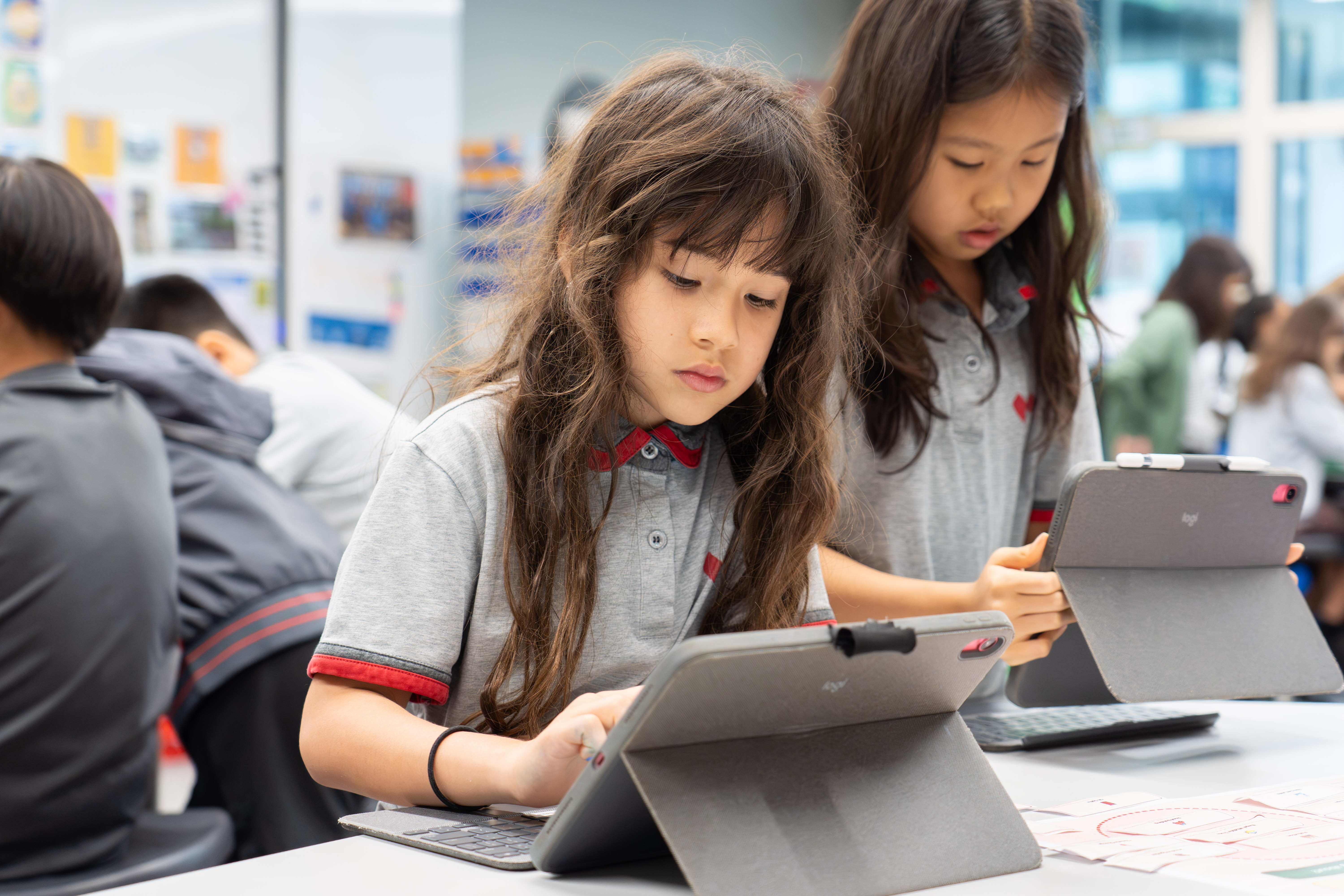
Inside the XCLerate Future Skills Programme
XCLerate® follows a consistent inquiry cycle across all grades: tuning in, investigation, action, and reflection.
Students begin by activating curiosity, then research and explore ideas before creating real-world outcomes. Reflection helps them evaluate their learning, improve their work, and build confidence as independent thinkers.
As students progress, they take on increasing complexity and independence, moving from guided exploration to purposeful innovation and community-connected action.
Learning Through Doing
XCLerate® gives students opportunities to apply learning beyond theory. Through design thinking, innovation, technology, entrepreneurship, service, and creative expression, students work on real challenges for real audiences.
The programme is aligned with the IB PYP, ISTE standards, and the UN Sustainable Development Goals, ensuring learning is rigorous, relevant, and connected to real-world impact.
By the end of the programme, students become innovative thinkers, confident communicators, collaborative leaders, digitally and AI literate learners, entrepreneurial problem-solvers, globally minded citizens, and resilient reflective learners.
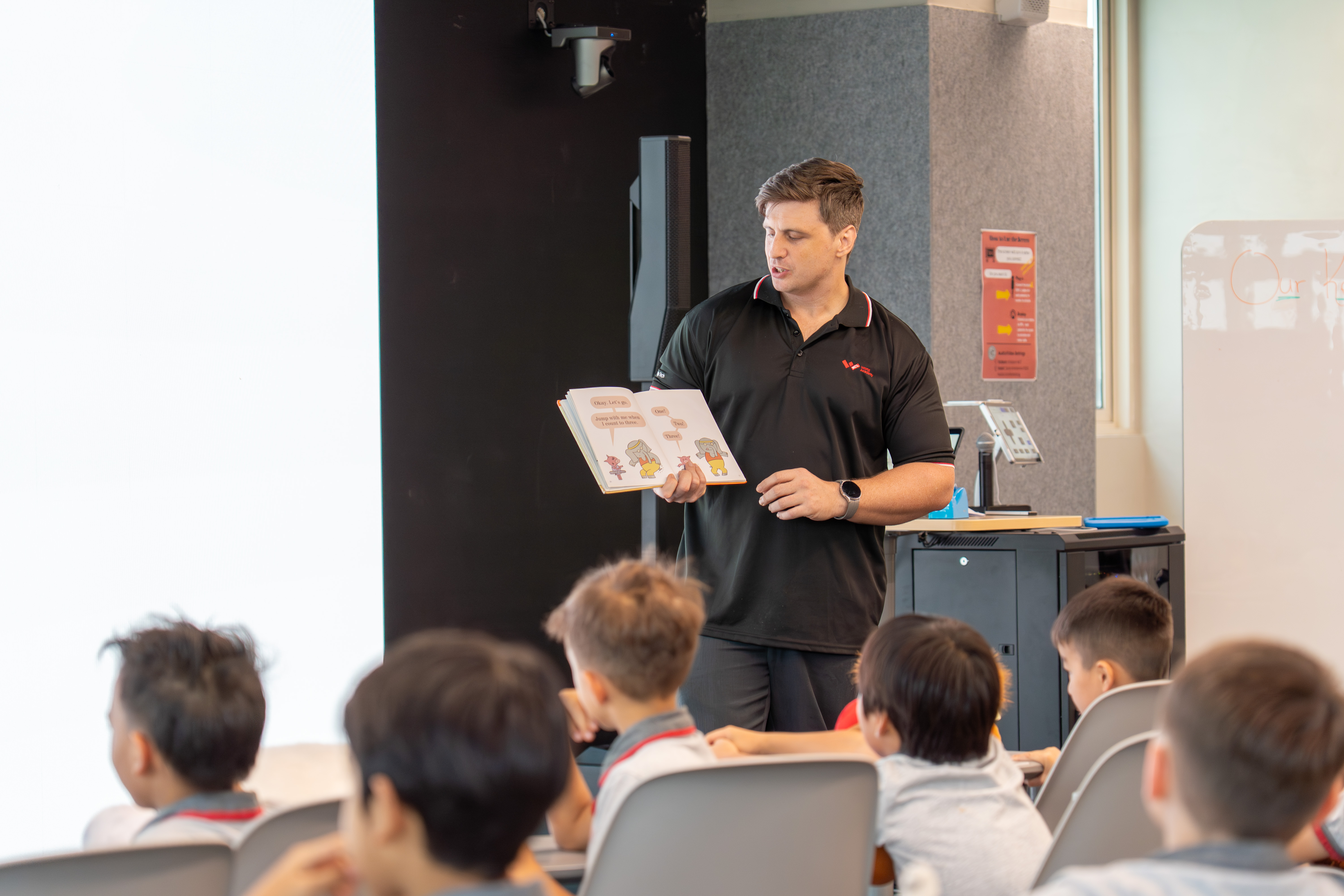
AI & Technology, Built Progressively
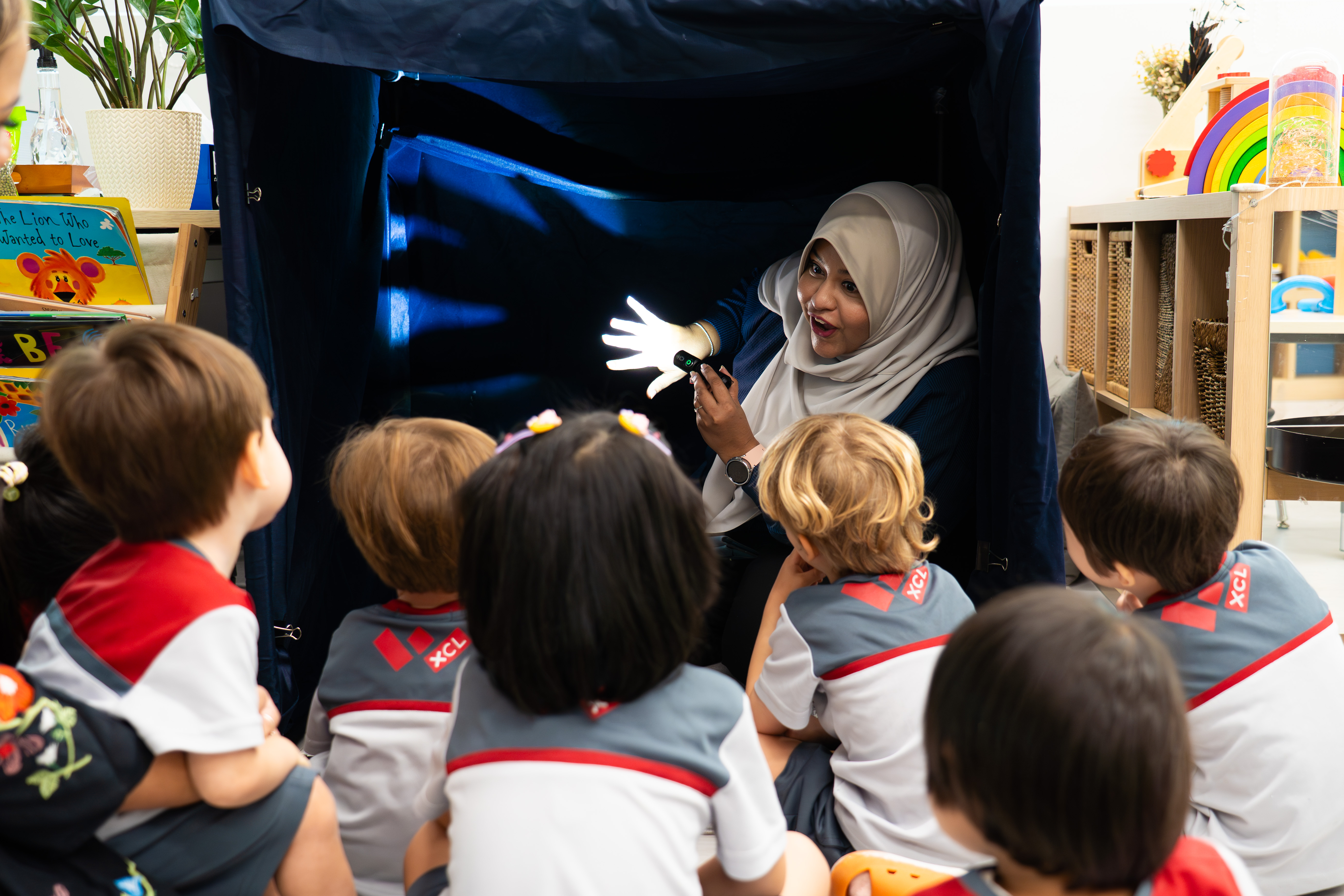
KG2
Students build foundational skills in computational thinking, creativity, and simple problem-solving through hands-on experiences.
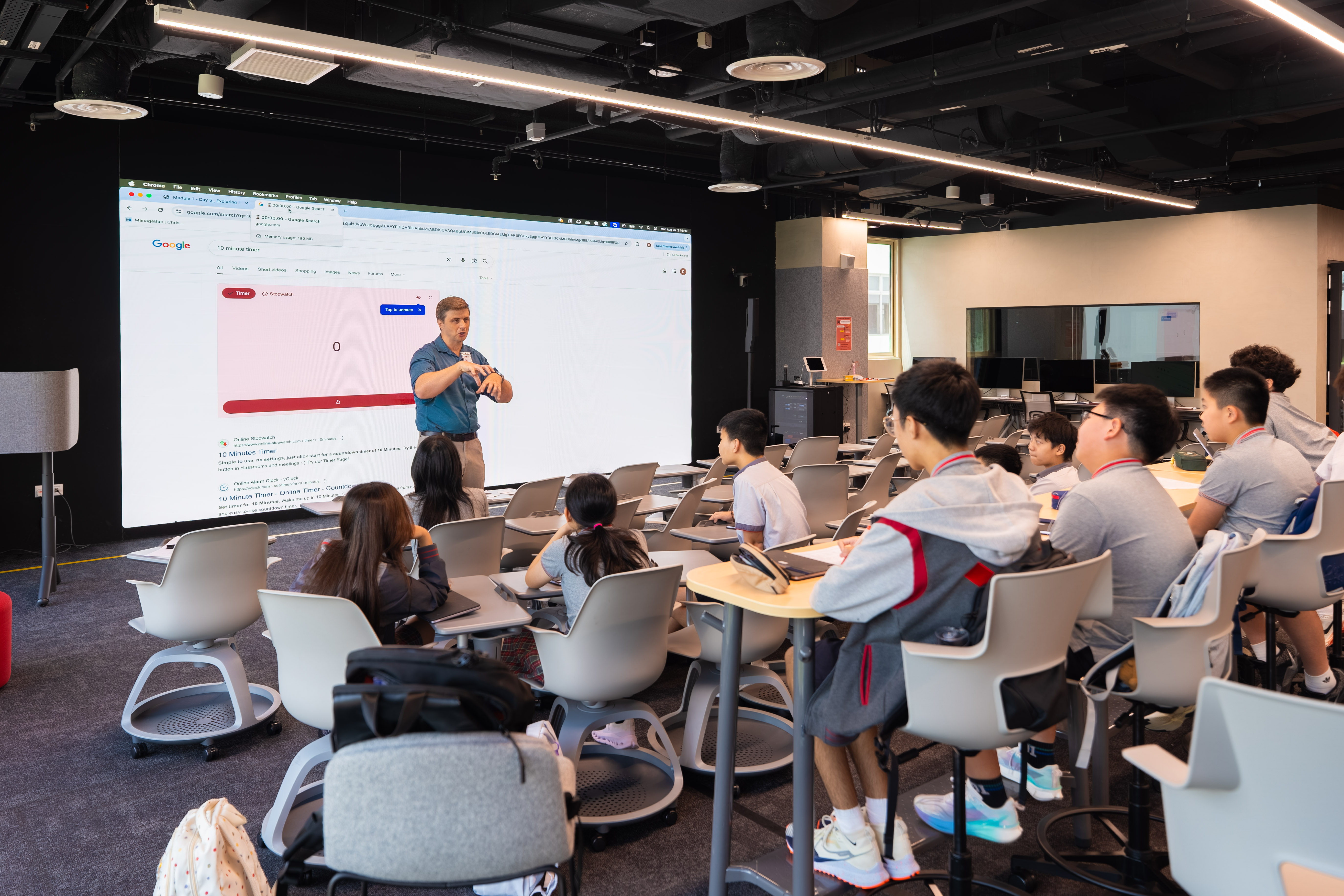
Grade 1
Students begin integrating technology and storytelling, working with peers to create and communicate ideas.
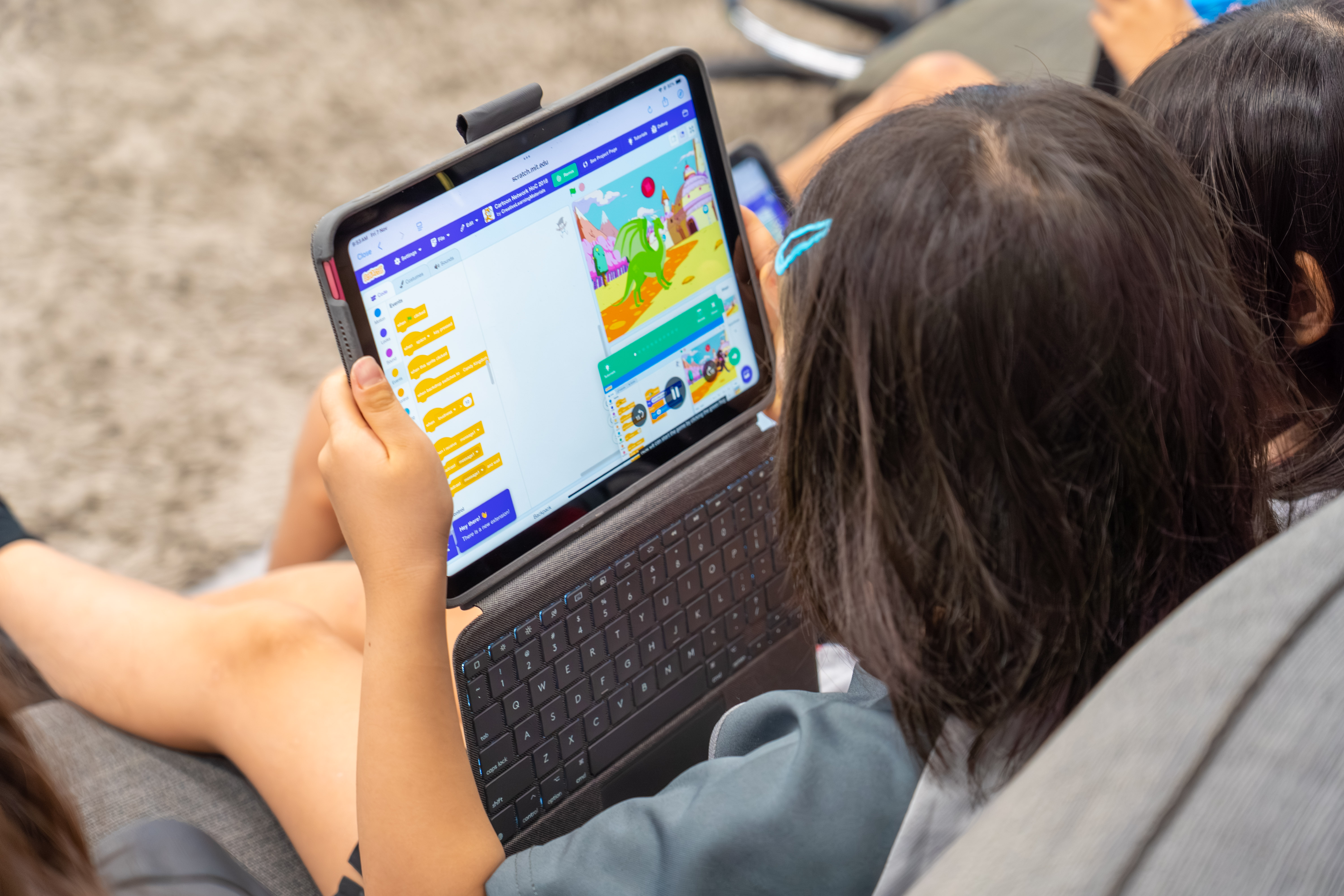
Grade 2
Students strengthen research skills through data collection, inquiry, and exploration of real-world contexts.
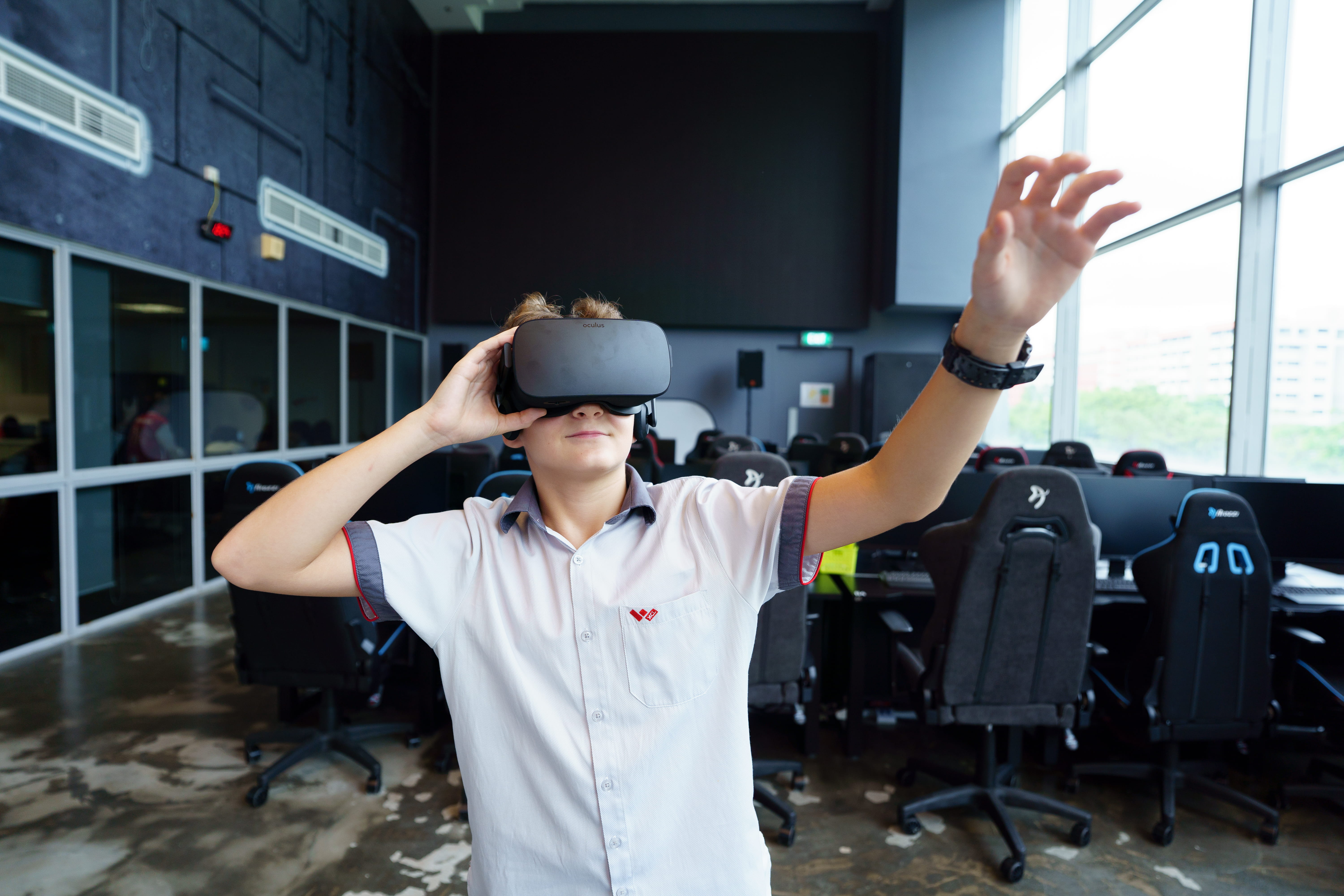
Grade 3
Students explore systems and community connections, applying their learning to practical, real-life scenarios.

Grade 4
Students take on greater leadership, designing projects and teaching others, especially around sustainability and innovation.
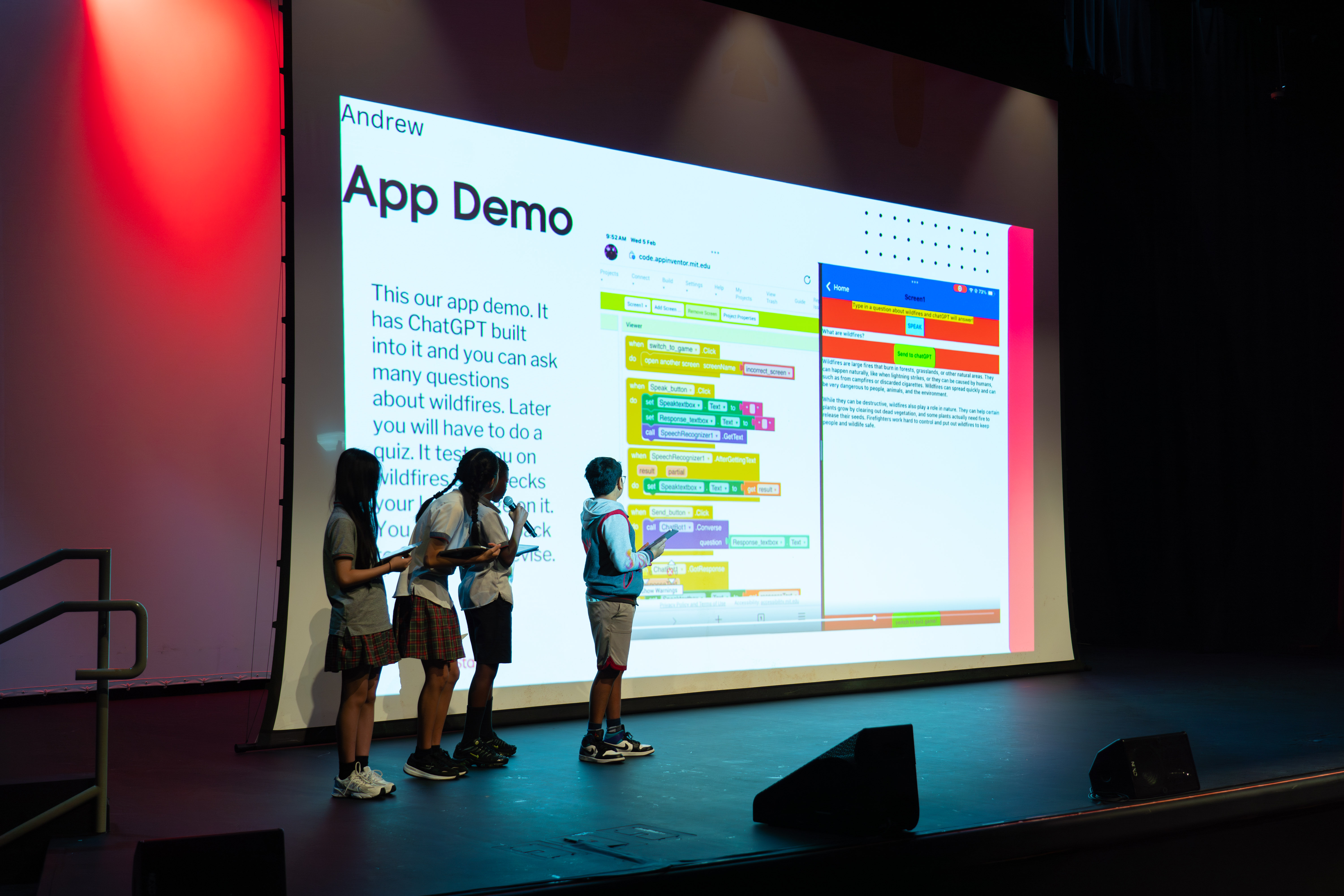
Grade 5
Students become independent changemakers through the PYP Exhibition, researching global issues, developing solutions, and taking meaningful action.
자녀의 미래 역량을 키울 준비가 되셨나요?
저희 캠퍼스를 방문하여 XCLerate®가 일상적인 초등 학습에 어떻게 통합되는지, 그리고 학생들이 학교 안팎에서 성공하는 데 필요한 기술, 사고방식, 주도성을 어떻게 개발하는지 확인해 보세요.
FAQs
Get answers to the most common questions from prospective parents about our school.

No. Technology is part of XCLerate, but it is not the whole programme. Students also work on creative projects, community action, entrepreneurship, and leadership, with technology used where it adds value rather than treated as the goal in itself.
Every lesson is scaffolded from the ground up with visual guides and support materials. EAL-adapted versions are available, and EAL specialists co-teach selected sessions. Some of the most confident XCLerate students started with no prior technology experience at all.
Digital citizenship and AI ethics are built into the programme from KG2. Students learn about online privacy, how to evaluate sources, and the difference between useful and irresponsible AI use. Only Microsoft Copilot is used from Grade 3 onwards. No other AI chat tools are used, and all usage is age-appropriate and supervised.
Yes. All lesson materials are available in EAL-adapted versions. EAL teachers attend selected sessions and can explain more complex concepts in a student's home language where needed. The programme's design thinking and creative tools also give students ways to express themselves beyond written English.
Sessions run for 45 minutes. Screen time within that typically ranges from 15 to 30 minutes, and it is always active: students are coding, designing, or creating.
XCLerate sessions replace part of the Units of Inquiry block. They do not add to it. The programme is designed to deepen the same concepts students are already exploring in class, so the learning reinforces rather than competes.
In Term 4, students present an Exhibition-style culminating project linked to the UN Sustainable Development Goals to an audience of parents, teachers, and community partners. This prepares students for the formal IB PYP Exhibition in Grade 5 and gives every child a portfolio entry and a presentation they can point to at the end of the year.
Students build digital portfolios throughout the year, documenting their learning across all five pillars. These portfolios are shared with families at portfolio conferences attended by the student, their teacher, and parents together.
The programme is designed to build the skills students need for the IB Middle Years Programme, particularly in MYP Design and interdisciplinary learning. The design thinking methodology, independent research habits, and technology literacy developed in XCLerate are precisely what MYP Design and interdisciplinary units demand from day one.
Still have questions?
We're here to help!